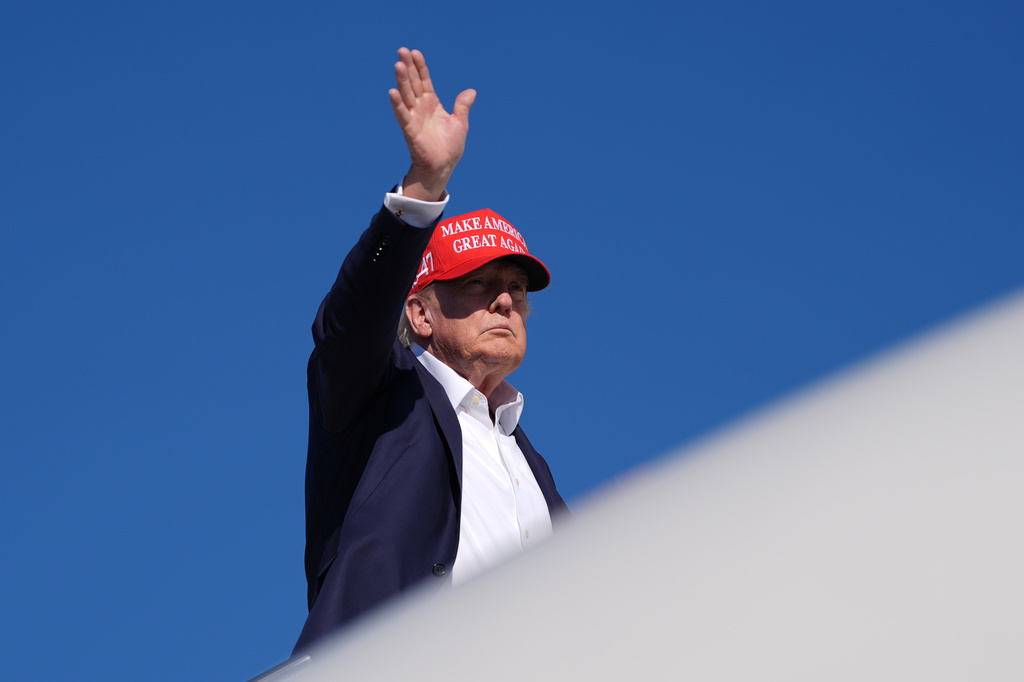



The ban will take effect Sept. 29 and comes after retalitory tariffs promised by Canada kicked in earlier Tuesday on $20 billion in U.S. imports. Canada had responded to tariff moves by U.S. President Donald Trump after trade talks between the countries broke down last month.
Trump also moved to shut Canadian products out of large, long-term U.S. government contracts and directed the U.S. General Services Administration to declare Canadian products ineligible for those contracts until Canada allows “full and fair reciprocity″ for American products.
Canadian Prime Minister Mark Carney said Canada’s strategy was about becoming more independent and vowed to speed those efforts. “It’s about ensuring that no country can hold us hostage. And that we can live how we want to live," he said.
The rupture has upended one of the world’s closest relationships. On Aug. 22, the U.S. imposed 50% tariffs on about 5% of Canadian imports, charging that Canada had unfairly treated the American dairy, alcoholic beverage and auto industries.
The U.S. and Canada have long sparred over trade, particularly Canada’s protected dairy market and its subsidies for producers of softwood lumber. But they remained friends and staunch allies.
Under Trump, U.S.-Canada relations have deteriorated rapidly. In addition to imposing tariffs on Canadian products, Trump has repeatedly made inflammatory comments about making Canada the 51st U.S. state. Carney came to power in a come-from-behind political victory last year by promising to stand up to him.
Some Canadian provinces have banned the sale of U.S. alcoholic products — a move that prompted the retaliatory U.S. ban on Tuesday on various Canadian wines and spirits. Also subject to the ban are some motorcycles and mopeds, dairy products, including whey, and various types of molasses.
Canada is exploring ties with the European Union that could stop just short of membership, a Canadian official familiar with the discussions said.
Options could include expanding existing agreements, negotiating a new treaty or creating other forms of cooperation. The official said Canada is already consulting provinces, territories and labor groups about what a deeper relationship with the EU could look like, but no model has been chosen.
The official spoke on condition of anonymity because they were not authorized to discuss the talks publicly.
Carney is due in Strasbourg, France, next week, where he will attend European Commission President Ursula von der Leyen's State of the European Union address Sept. 16 and address the European Parliament the following day.