



AFN reported previously on the Aspen Acres Fire that devastated Colorado earlier this month. Pastor Isaac Cowger of Grand View Baptist Church says the fire was so fast and fierce, people only had time to gather themselves, their pets and a few necessities. About 60% of the families in his congregation lost their homes in the blaze.
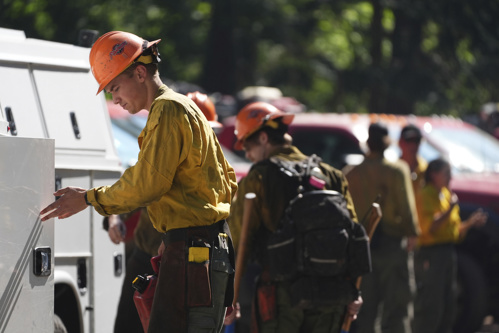 So far, 101,546 acres have burned and more than 300 structures across Pueblo and Custer counties have been destroyed, but no civilian deaths have been officially reported.
Mudslides are a concern after every fire in mountain country. The fire has burned away all the underbrush and there are no more grasses and roots to hold the topsoil in place. Steve Hodanish, senior meteorologist of the National Weather Service, tells KKTV 11 they're bracing for thunderstorms in Southern Colorado.
“If we get a heavy thunderstorm over the burn scar, the good news is it'll help put out the fire. The bad news is there's going to be horrific flash flooding,” Hodanish stated.
KKTV 11 also reported that a special response crew is assessing the area and possible danger zones. Its expected that the burn scar will affect the landscape and community for years.
Dennis Belz, state director of Colorado Baptist Disaster Relief, says they've trained for this.

“It started out working with fires, and then the rains came, and then it was doing mud out. And so, our teams are prepared to start doing the mud out,” Belz states.
He says it doesn't take much.
“There's a crust on the road from the burn, and everything is just brittle. Even a light rain will start that, just washing away,” Belz explains.
It presents a danger, he says, for disaster relief workers. As soon as there's any sign of rain, they need to get off the mountain as soon as possible.
“You're on this mountain road that's made out of dirt, that's going to go out from under you too. So, we have to be very careful, and we'll watch the weather. If they have predicted rains at a certain time, we'll just tell everybody you have to be off the mountain by a certain time so they'll be safe,” Belz says.