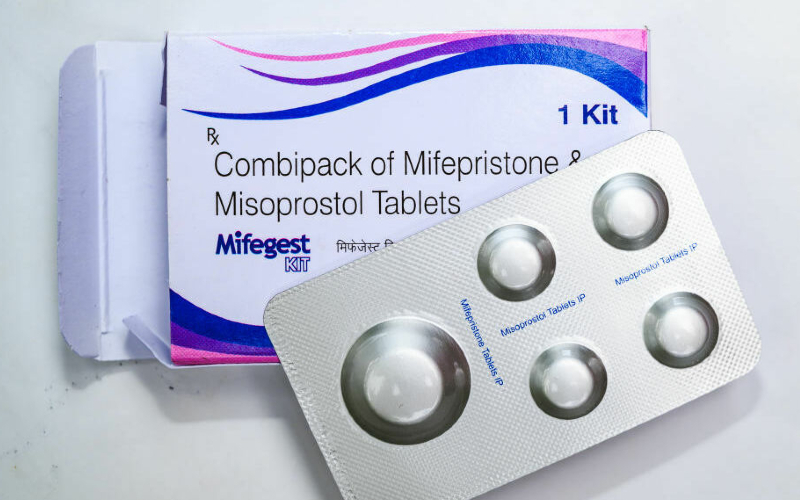



More than one million abortions occurred in the last calendar year in the U.S. A quarter of those were performed by telehealth services, or the mail-in abortion pill.
But surely women must go through multiple physicians to be able to obtain these drugs, right?

Dr. Christine Francis, the CEO of the American Association of Pro-Life Obstetricians and Gynecologists (AAPLOG), recently went undercover online and posed as a 13-year-old girl with multiple glaring heath issues to see if the system would flag her and not deliver her the medicine.
Four days later, the pills were sent to her mailbox with no questions asked. There was no clinic name, pharmacist or physician listed, only a generic address and a QR code
“This is extremely dangerous. Of course, it is leading to more deaths of preborn children. We know that abortions went up last year really because of this mail order scheme, and it also is placing women and girls at extreme risk,” Francis says.
The abortion distributor, Plan C, was advising to minors and women beyond the FDA’s approved gestation range, all without counseling the patients on the risks.
 Francis explains how this is not only putting the physical health of women at risk. Due to the circumstances that often surround the women who call for mail-in abortion pills, it's putting the mental health of them at risk as well, she says, calling the process "traumatizing."
She states that if lawmakers reinstated the requirement of in-person dispensing for these drugs, it would protect a lot of women who put themselves at risk.
“We would cut down significantly on many of these problems. Of course, we want it to go farther, but that is a very easy step that they could take today that would go a long way in protecting the health of women and preborn children,” Francis says.
In 2023, 63% of all U.S. abortion cases involved abortion pills, according to the Guttmacher Institute. This was a 10% increase since 2020.