


In something like a high-stakes tennis match, the Trump administration has engaged in back-and-forth negotiations with Iran’s leaders over a span of 1 ½ months now that U.S. bombs and missiles have stopped falling and Operation Epic Fury concluded.
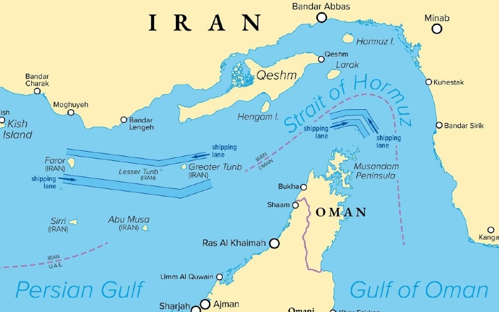
The primary contention appears to be Iran’s pursuit of uranium, a key component for a future nuclear weapon, and its attacks on commercial vessels in the Strait of Hormuz.
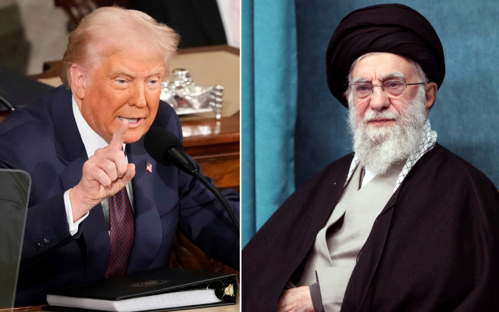 In the newest update on talks this week, President Trump threatened Iran with new military strikes that he warned were only hours away. With that threat looming, Tehran announced it is reviewing a new, revised peace proposal from the United States.
A 14-point plan from Iran, submitted May 3, demanded sovereign control of the Strait, monetary reparations for war damage, and the withdrawal of U.S. troops from the region, among other demands. Those demands, which were quickly rejected in the White House and at the Pentagon, came after the U.S. had already rejected a 10-point plan from Iran that was submitted in late April.
Pakistan, which is acting as a mediator for negotiations, is the site of the only face-to-face U.S.-Iran negotiations that occurred April 11-12 in Islamabad. That direct negotiation, which involved Vice President J.D. Vance, was a marathon session that went on for 21 hours.
 John Teichert, a retired U.S. Air Force brigadier general, told the “Washington Watch” program on Wednesday the weeks and weeks of U.S.-Iran negotiations have now gone on longer than Epic Fury.
“I'm okay with giving Iran a couple of more days,” Teichert said, referring to President Trump’s latest olive branch to Iran, “but I want to note that they have not negotiated in good faith throughout this entire process. And they're unlikely to.”
In related comments to American Family News, national security expert Robert Maginnis said President Trump is searching for an “off-ramp” in Iran without publicly stating he needs one.
“My central argument throughout this conflict has been straightforward: America can win tactical battles against Iran without achieving strategic resolution,” Maginnis told AFN.
The first hours of Epic Fury removed top political and military leaders including Ali Khamenei, Iran's longtime leader, but that power vacuum has been plugged by others. It is believed the IRGC, the Islamic Revolutionary Guard Corps, is in control of Iran's political power and military power.
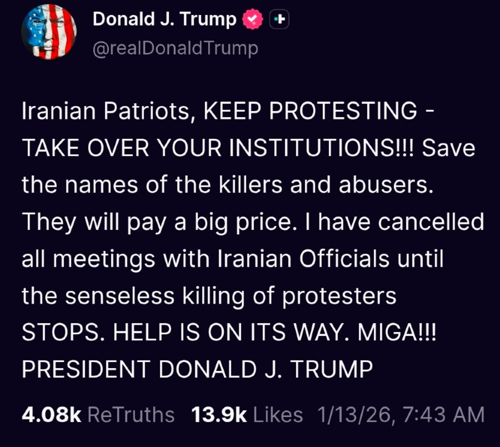 The roots of Epic Fury began late last year, when Iranians braved IRGC bullets to protest runaway inflation and demand the end of the Supreme Leader's murderous regime.
A social media post from President Trump (pictured at left) urged the brave protesters to demand their freedom, and promised Trump would support them, but any push for "regime change" is no longer being mentioned publicly by the White House and the Pentagon.
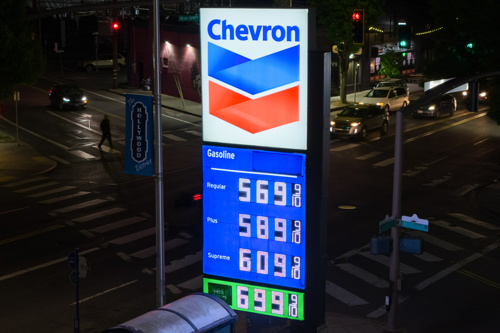
Meanwhile, Americans have witnessed gas prices almost double across the United States. The average price for a gallon of regular gas is $4.56, AAA reported this week.
That frustration with gas prices, which raises other costs, too, is reflected in a new Fox News poll. President Trump's disapproval rating is 71%, up from 56% a year ago, according to Fox, which generally gives the president favorable news coverage.
Asked about the Iran war, opposition to any more military action is 60% in the poll, up from 55% last month.
Maginnis, who previously told AFN the Iranian regime would not surrender easily, has also said President Trump and his generals believed Iran’s regime would fold under an overwhelming military attack.
 “The conflict shifted away from conventional battlefield outcomes toward an endurance contest centered on energy, maritime leverage, and global economics,” Maginnis observed.
Reacting to President Trump’s new threat of new military strikes, Teichert said the Pentagon should hit “strategic” targets, meaning non-military targets, if a new round of missiles and bombs start falling.
“For the most part we gave the regime sanctuary, and we gave their economic well-being sanctuary, during Operation Epic Fury,” he said.