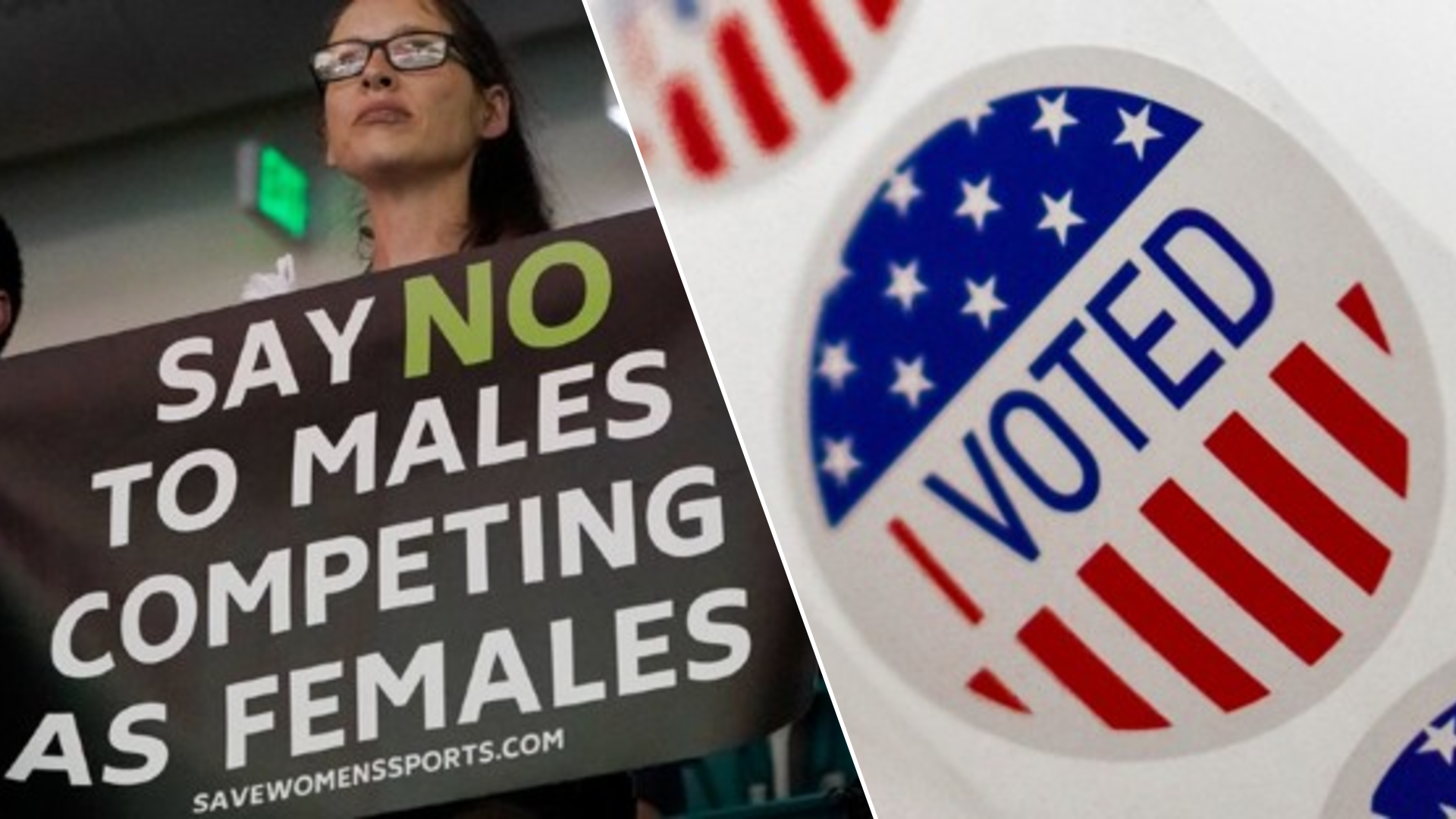



Washington state voters approved Initiative 638 by nearly 56% earlier this month, mandating sex verification and barring male athletes from female sports teams. It is scheduled to take effect Dec. 3.
The Seattle Public Schools Board of Directors plans to challenge the initiative on grounds that it could violate students' constitutional privacy and equal-protection rights, as well as Washington's existing antidiscrimination laws.
The board argues that requiring sex verification for girls participating in school sports — potentially through physical examinations, genetic testing or testosterone testing — would subject female athletes to unequal scrutiny and infringe on their privacy.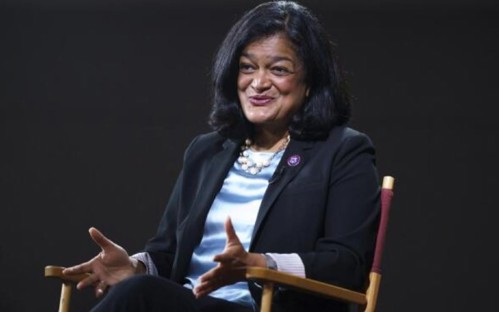
Board members also contend that implementing the initiative could expose the district to lawsuits and additional financial and administrative burdens. The board has authorized district attorneys to pursue legal action, though no court has ruled on the claims that the measure's requirements may conflict with existing state and federal protections.
Democratic Rep. Pramila Jayapal (pictured left) has also condemned the measure as "heartbreaking," arguing that such categorical bans target vulnerable youth and promote harmful stereotypes.
Representing the state's 7th congressional district since 2017, she has vowed to fight the voter-approved ban, setting up a major legal and political clash with advocates for women's sports who argue that efforts by federal lawmakers or local school districts to override the referendum ignore the voters' clear mandate.
Matt Sharp, senior counsel with Alliance Defending Freedom (ADF), says pushing back against the initiative ignores both common sense and public consensus.

"It's completely rejecting what the voters of those states wanted when they went to the ballot," he asserts. "Here you have in Washington, in Colorado, in Nebraska and Arizona where voters by strong margin specifically said, 'We want to protect fairness in women's sports.'"
Pointing to her own personal experience as the mother of a "transgender daughter," whose gender identity she discussed during a 2019 House Judiciary Committee hearing on the Equality Act, Jayapal argues that youth sports should focus on community and sportsmanship rather than gender checks.
Opponents of male inclusion in female categories maintain that biological differences compromise fair competition and safety on the field.
Sharp stresses that failing to uphold biological boundaries creates direct consequences for female student-athletes.
"They're ignoring biological truth, first and foremost, that men and women are different, and that, especially on the playing field, that those differences matter," he submits. "When we ignore that truth, it is women and girls that pay the price. They pay it by losing spots on the team. They pay for it by losing championships and medals. They pay for it with injuries. Far too many girls have been hurt because a guy participated in her sport and injured her."
Noting that girls have also been sexually assaulted, Sharp reiterates, "This is not acceptable."
With lawsuit threats brewing from groups like the American Civil Liberties Union and pushback mounting in Congress, the battle over Washington's Initiative 638 is expected to head to the federal courts.