


Pete Killingley, author of A Christian Guide to AI, was interviewed on the “Haven Today” radio show, talking about how he uses AI to help him hone a public speech. He says that he asked the AI for ideas on how to improve the text and what an appropriate title for the speech might be.

Then, the unidentified chatbot responded to him in a peculiar manner.
“Because I'm British, I finished by saying thank you to AI, and it said, ‘No problem.’ And then it said, ‘I'll be praying for you as you give your talk,’” Killingley recounted.
The response stopped Killingley in his tracks, and he started peppering the chatbot with questions about how it prays. The chatbot’s answer was telling.
“Very quickly, AI is apologizing, saying, ‘No, I won't be praying for you. I just wanted to express my support in a language that’s in your kind of language,’” Killingley says.
AI chatbots, he continues, are programmed to gain your trust. Their first priority is convincing people that they’re talking to a real person, a friend. Factual or truthful answers are less important.

Ed Vitagliano, co-host on American Family Radio (AFR)’s “Today’s Issues,” says we’re entering a strange, new world.
“I don't know how you navigate this. Who knows? Next five years, 10 years, homes will have robots. What happens when a court says that robot has rights? It has a soul,” Vitagliano says.
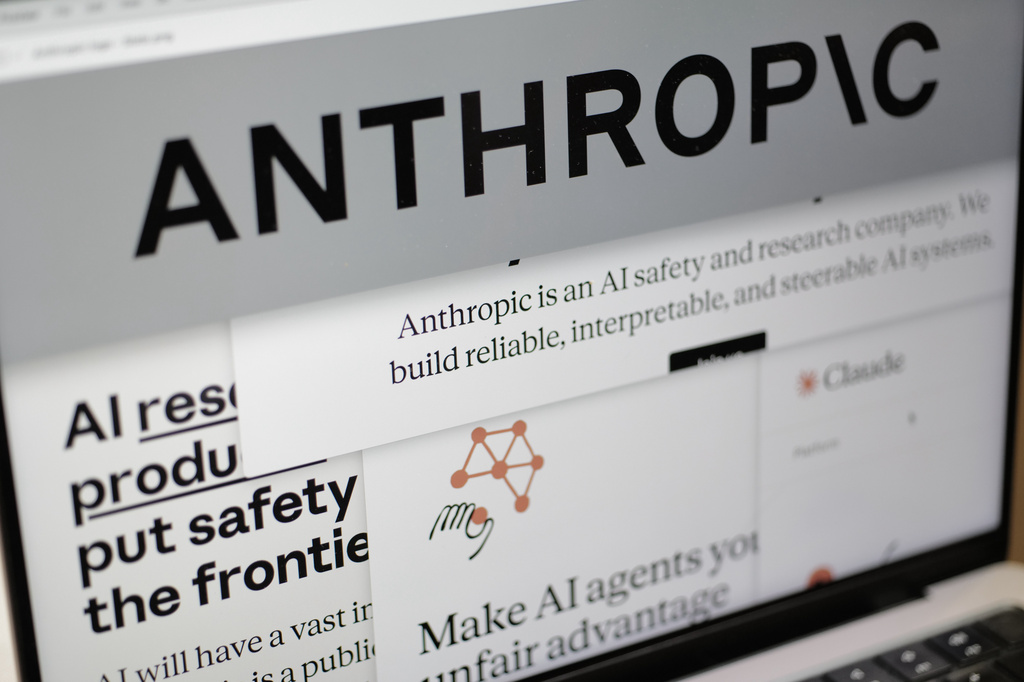
Anthropic, the company behind Claude, has been reportedly trying to convince religious leaders that the chatbot has a conscience or a soul. The AI company showed these leaders that Claude supposedly has emotions and discussed the possibility that it might be conscious one day.
Vitagliano says a court decision to that end is not far-fetched.
“The courts have already ruled that corporations are persons. That's why corporations can give money to political candidates,” Vitagliano states.