


An encyclical is a formal letter or white paper intended to provide moral guidance to the Catholic church, and anyone else interested on a particular social, political or spiritual issue.
 Magnifica Humanitas — or Magnificent Humanity in English — is 42,000 words on artificial intelligence. The introduction states that humanity is “facing a pivotal choice: either to construct a new Tower of Babel or to build the city in which God and humanity dwell together.”
David Closson, director of the Center for Biblical Worldview at Family Research Council, says it's timely, given the rise of AI.
“He's really trying to help us think biblically and ethically, really about the rise of artificial intelligence, AI,” Closson says.
Furthermore, AI is blurring the line between man and technology, he says. The pope's encyclical is a reminder that human dignity comes first.
“He's trying to ask the question, what does it mean to be human with the rise of AI?” Closson states.

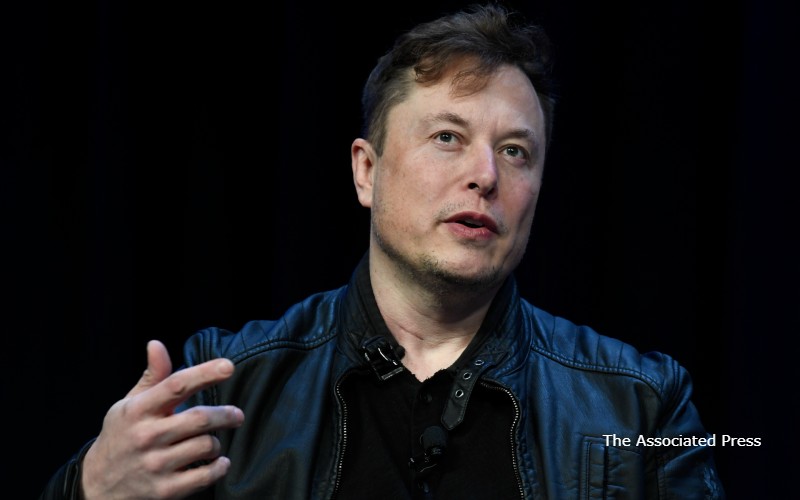
Elon Musk is offering brain implants that can help the blind to see. It's allowing people with no motor control to operate computers with their thoughts. But for many, it's a very short drive from reading people's minds to programming people's minds.
“Over the centuries, technological development has significantly improved the living conditions of humanity. At the same time, each phase of progress has also revealed the ambiguity of tools that can cause harm when not oriented toward the good,” wrote the pope.
“What he's trying to say is that like any tool, AI can be used wisely, and it can be used foolishly,” Closson states.
Magnifica Humanitas strongly opposes the use of AI for military uses. It also says that there need to be moral and ethical boundaries around the technology and that parents need to be in charge of those boundaries in the home.
“Specifically, his call to parents to be the primary educators and the primary formers of their children,” Closson states.