


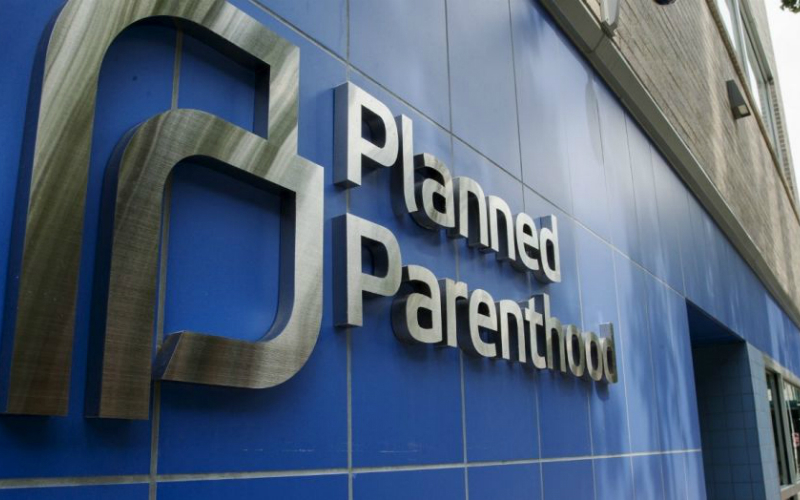
The facilities are in a wide range of states. For example, Planned Parenthood has announced the closures of six facilities in California, four in Michigan, and three in Texas — including a so-called mega-center in Houston.
Pro-life activist Michael New is an assistant professor of practice at the Busch School of Business at the Catholic University of America and a senior associate scholar at the Charlotte Lozier Institute. He said there's a couple things going on here beginning with a general trend of closures.
 "As recently as 2009 and 2010, they had 840 facilities, and now they have less than 600. So, that's one thing," said New, who wrote a related op-ed for National Review. "The most important thing is the new federal budget, which prohibits them from receiving federal taxpayer dollars."
Earlier this week a federal judge blocked the nationwide defunding of health care clinics that also provide abortion. The Trump administration is expected to appeal that decision, especially after the U.S. Supreme Court told federal judges earlier this year to limit nationwide injunctions.
Meanwhile, more women are getting abortions now through telehealth. By some estimates, 25% of all abortions take place by telehealth. Even Planned Parenthood facilities that do not do abortions still do abortion referrals.

When asked about that, New said the Planned Parenthood closures are still a win for pro-lifers.
"When a Planned Parenthood closes, that means there's fewer people who work in the abortion industry; however, there’s a lot to undermine the culture of life besides doing abortion," says New. “They give out contraceptives, promote sex education programs that encourage promiscuity, and other things that promote and facilitate abortion. So, when they close, it's always a win for pro-lifers."
New added this is also an opportunity for pro-lifers to engage women about abortion.
"We need to let people know that these telehealth abortions are risky and, more importantly, let them know we have pregnancy centers and resources available to help pregnant women," New says. "A Planned Parenthood closure is a victory, but there's still plenty of work for pro-lifers to do."