



On Feb. 23, 2017, before he was governor, JB Pritzker (D-Illinois) tweeted, "As a protest against Trump's rescinding protections for trans kids, everyone should use the other gender's bathroom today! #protecttranskids."
He later said he was not being literal and was using hyperbole to make a political point, but during a congressional hearing with sanctuary state governors in June 2025, Rep. Brandon Gill called Pritzker out on it.
When the Democratic governor said he did not recall ever using a women's restroom, Rep. Gill clarified, "You wanted everybody else to do it, but you didn't?"
Now Congress is debating, among other things, the Supplemental Nutrition Assistance Program (SNAP) as part of ongoing, highly contentious negotiations over the 2026 Farm Bill. The controversy is over unhealthy food, such as sugary soft drinks, by proposing limits on using SNAP benefits to purchase them.
Gill set a trap for witness
Supporters say the change would promote healthier eating, but opponents argue it unfairly restricts food choices for SNAP recipients.
During a House hearing last week, Rep. Gill pressed a hearing witness, Gina Plata-Nino, over allowing unhealthy food under SNAP.
Plato-Nino was at the hearing to represent a nonprofit, the Food Research and Action Center, which advocates for helping the poor have access to good nutrition.
Plato-Nino, who is FRAC's deputy director of policy and advocacy, is knowledgeable about SNAP.
When Gill asked Plata-Nino if SNAP dollars should be spent on soda, she replied the program exists to provide families with "food and beverages."
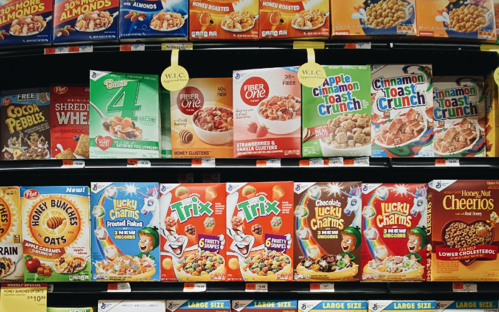 When the congressman pressed further, she said she is "happy to talk about hunger and nutrition, but not dictate what Americans should or should not eat."
"Do the American people need Coca-Cola to survive?" Gill, unhappy with her evasive answers, pressed.
"I am not a nutritionist. I am a food security expert," Plata-Nino replied.
Gill, who often grills witnesses like an attorney, appeared ready for the witness's evasive answers. Implying a conflict of interest, he pointed out that FRAC relies on donors, such as food giant General Mills, which he said makes FRAC more of a lobbing group than a nutrition-focused nonprofit.
Gill often uses direct, pointed questions to challenge witnesses and public officials like this. Rather than allowing broad statements or carefully worded responses to go unexamined, he presses for specific answers and highlights inconsistencies.
His supporters say the approach brings accountability to hearings that can otherwise become predictable exchanges of prepared talking points. Critics, however, argue that his confrontational style is designed more for viral moments than policy discussions.
As debates in Washington continue over the role of government, personal choices and the use of public funds, Gill focuses on questions he believes many Americans are asking but that often go unaddressed in traditional congressional proceedings.