

Yet the two are inextricably linked, a Minnesota state lawmaker said on Washington Watch Monday.
The Department of Justice, the Federal Bureau of Investigation (FBI) and the Department of Homeland Security have been conducting a widespread fraud probe in Minnesota involving alleged misuse of funds, many of them designated for federal and state social-service programs.
 It’s a scandal that reaches into the billions of dollars, authorities say.
Ninety-eight individuals have been charged, 85 of Somali descent. More than 60 have pleaded guilty or been convicted, and many charges relate to food, childcare, Medicaid, and housing-related fraud claims.
It’s unconscionable abuse of taxpayer funding, but the news cycle is now dominated by President Donald Trump’s efforts to crack down on illegal immigration in the state.
In response to this operation ICE agents face death threats and on a daily basis other physical and verbal abuse.
When anti-ICE activist Renee Good was shot after ignoring calls to exit her vehicle, then driving it into an ICE agent, the conversation changed.
“It took the oxygen out of the air of the conversation about fraud,” Rep. Walter Hudson, of the Minnesota House, told show host Jody Hice.
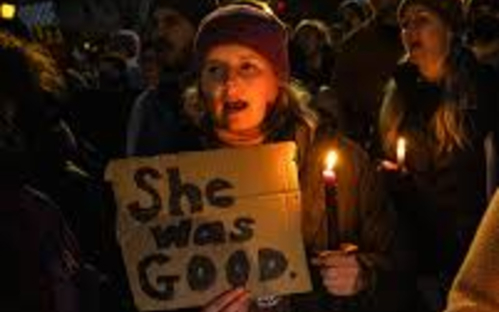 Over the weekend Alex Pretti, who was carrying a handgun, was shot after a struggle with officers. A Homeland Security statement said Pretti “violently resisted” the officers, PBS reported.
Social media reactions from protesters contradicted government responses in both incidents.
“We saw what happened over the weekend and that has continued the trajectory” of news coverage away from the fraud investigation, Hudson said.
“But there’s a definite link between these two issues. When you have an overwhelming majority of the people who are engaged in this fraud that is taking away taxpayer dollars from both the federal and state government coming from one community, which is the Somali community, obviously, we have some immigration policy problems,” he said.
The fraud investigation was the subject of a House Oversight Committee hearing on Jan. 7, the very day that Good was shot.
 “We had our moment to shine a national spotlight of attention on this problem that those of us who live in this state have known about for many, many years, have been battling to get this kind of attention so that we can start to actually solve it,” Hudson said.
House Oversight Chairman James Comer (R-Kentucky) has since widened the scope of the committee’s investigation which began in December.
He sent a letter to Minnesota Legislative Auditor Judy Randall seeking documents and communication related to any review conducted regarding the Minnesota Department of Human Services and fraud allegations.
Comer is also requesting that the Temporary Commissioner of the Minnesota Department of Human Services, Shireen Gandhi, appear for a transcribed interview on Friday.
Comer has also called on Minnesota Gov. Tim Walz and state Attorney Gen. Keith Ellison to testify at a public hearing on Feb. 10.
Comer has also requested the U.S. Department of the Treasury provide all relevant Suspicious Activity Reports (SARs) to support the committee’s investigation into fraud in Minnesota and has requested transcribed interviews with several current and former Minnesota state officials.
While public focus has shifted, Hudson believes the Trump administration will be able to multitask the separate challenges.

“I'm confident," he said, "that the administration is going to continue to follow through, even as they have to walk and chew gum with both the ICE insurgency currently happening in our state and dealing with the fraud, that they'll be able to handle both of those issues well.”
In Minnesota, federal and state agencies overseeing important social programs are ripe for fraud, Hudson said.
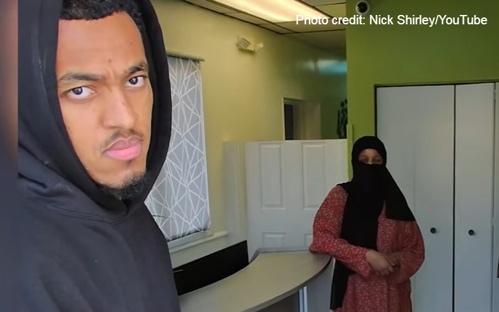
“We pay you before we verify that you're doing what you say you're doing. There's minimal oversight in terms of checking up on spaces physically. I think the Nick Shirley videos have demonstrated that pretty effectively to the American public.”
In spite of the level of fraud that exists, there are “good faith actors” within many agencies, Hudson said.
But when these individuals have tried to do the right things and have raised red flags they’ve been met with fierce resistance from the Walz administration.
They’ve faced “allegedly extraordinary amounts of retaliation for having the audacity to ask the wrong questions. So, that's kind of how things work in a nutshell,” Hudson said.