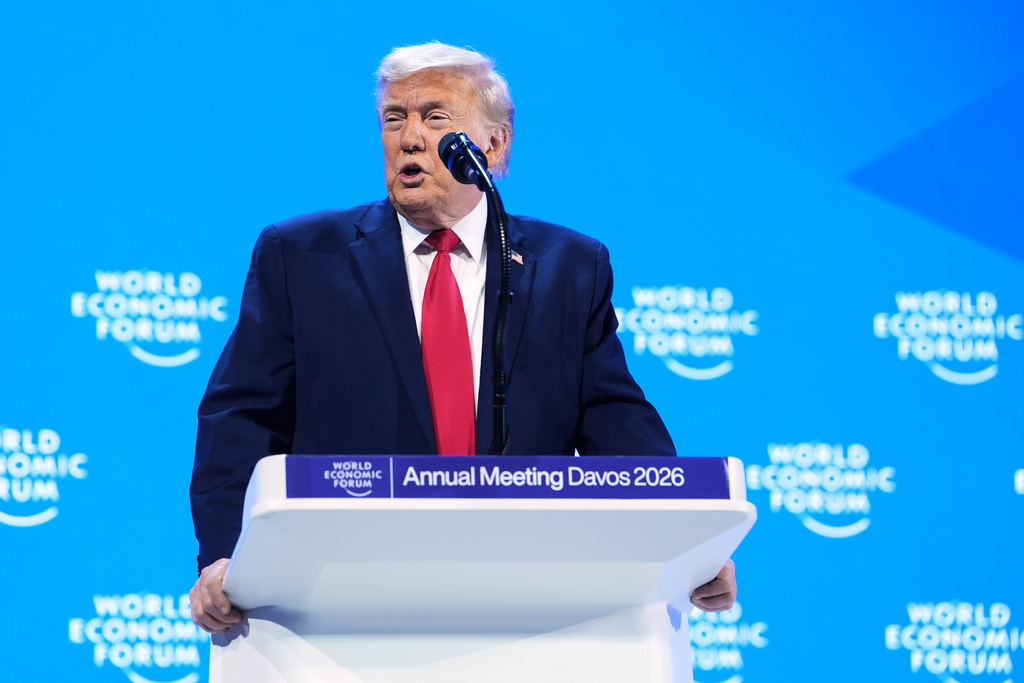


The nation's highest court heard oral arguments in a case aimed at overturning a Hawaii statute that imposes draconian regulations on where people can carry guns in the Aloha State, reports the Washington Examiner. The Trump administration had pushed for SCOTUS to review the law which bans guns on private property like stores or gas stations unless the owner has specifically allowed them. It also prohibits firearms in places like beaches, parks, bars and restaurants that serve alcohol.
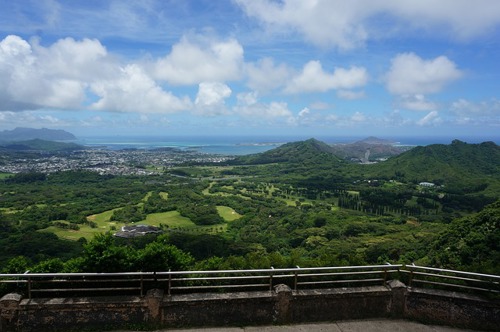
A judge blocked the Hawaii law after it was challenged in court by a gun rights group and three people from Maui. Unfortunately, the 9th U.S. Circuit Court of Appeals largely reversed that decision and allowed Hawaii to enforce the law.
Stephen Stamboulieh is an attorney with Gun Owners of America.
"What Hawaii did was copy New York's law that made it illegal to carry a firearm on private property that was open to the public, like a Kroger or a gas station or something like that,” said Stamboulieh. “Basically, you would have to park on the street, walk into Kroger and say, ‘Hey, I've got a gun in my car. I want to carry it on my person. Do I have your permission to carry it in here?’ and the store will either you tell you yes or no."

The ruling on the case is expected by the end of June. Stamboulieh is optimistic about the case’s ultimate outcome.
"I think gun owners will win. The 2nd Circuit and the 4th Circuit came out and said that the ban that Hawaii and New York has done violates the Constitution. The 2nd, 4th, and part of the 9th have already said this law is constitutional. I don't see the Supreme Court deviating from that. I think they're going to say that Hawaii's law is unconstitutional and then strike it," states Stamboulieh.