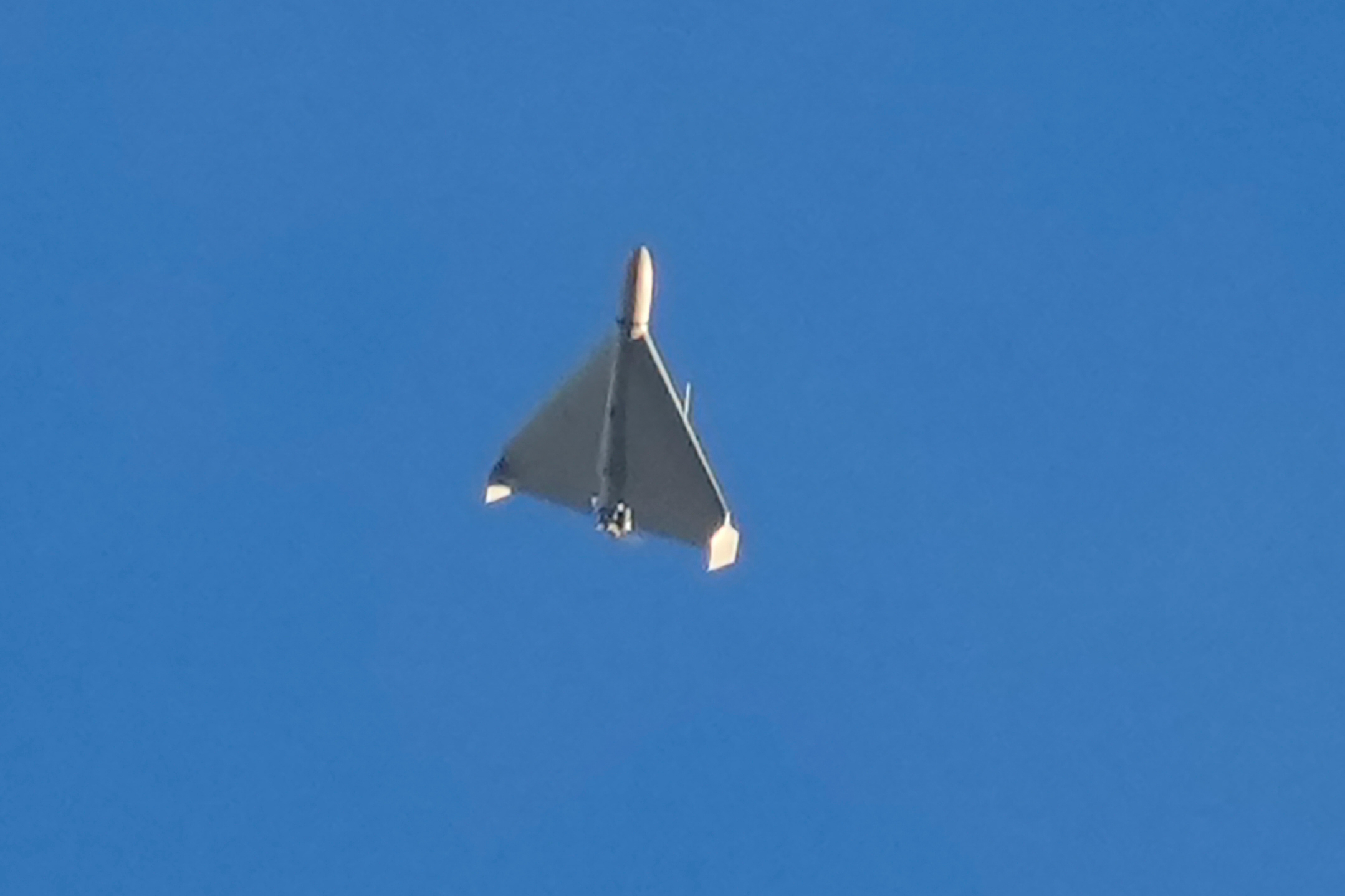



Robert Maginnis, the retired U.S. Army lieutenant colonel, has given cautionary and critical analysis about “Operation Epic Fury” since that attack began in February of this year. That analysis has ranged from warnings about a ground invasion to skepticism over holding peace talks with Iran’s murderous regime.
“We never should have launched this war because, if we knew that we were going to lose control of the Senate, it's just not worth it,” Maginnis told AFN.
After the Tuesday election, the Republican Party lost both the U.S. House and the U.S. Senate by large margins in what is being described as a “blue tsunami” for Democrats.
Election polls that surveyed registered voters predicted the House would flip, but polling for the Senate predicted the GOP would maintain its slim majority or lose it by a narrow margin.
Democrats will have a 55-44 majority there in January, with races in Mississippi and Alaska likely to add at least one more Democrat-held seat.
Those devastating losses for the GOP, now predicted to take years to win back, came after polling warned President Donald Trump and the White House they were ignoring voters’ frustration with gas and grocery prices.
AFN previously reported some belated recognition of those polls came Wednesday, in a social media post on X from Vice President JD Vance. It said the Election Day losses came from Republican voters, who demanded an end to the Iran war and a focus on their financial struggles, and who felt ignored by the White House.
Farther down in the post, Vance wrote that "everyone knows why we lost," referring to the war. "And any honest conversation about where we go from here must start there," he wrote.

Maginnis told AFN the vice president was right.
“Really, it was about the economy, as it always is,” Maginnis observed. “But Iran spurred the economic issues."
“Operation Epic Fury,” the U.S.-Israel attack on Iran, kicked off in February. Those military strikes haven taken out major military targets, and eliminated top leaders of the regime, but the military attacks dragged into the summer without a white flag of surrender from the IRGC, the Iran Revolutionary Guard Corps.
In May, President Trump informed Congress he was ending the 66-day military attack. He announced the Pentagon was transitioning to a maritime blockade of Iran’s coast called “Project Freedom.” Even with the U.S. Navy patrolling the Persian Gulf, the IRGC has repeatedly attacked oil tankers in the Iran-controlled Strait of Hormuz. A Barbados-flagged vessel was hit Nov. 3, Election Day.
At the White House on Wednesday, Trump called Vice President Vance's comments "largely true," because the war drove up the price of gasoline, Trump admitted.
"At the same time, if I had to do it again, I'd have to do it again because long-term, it's the only answer. You can't let Iran have a nuclear weapon," Trump stated.