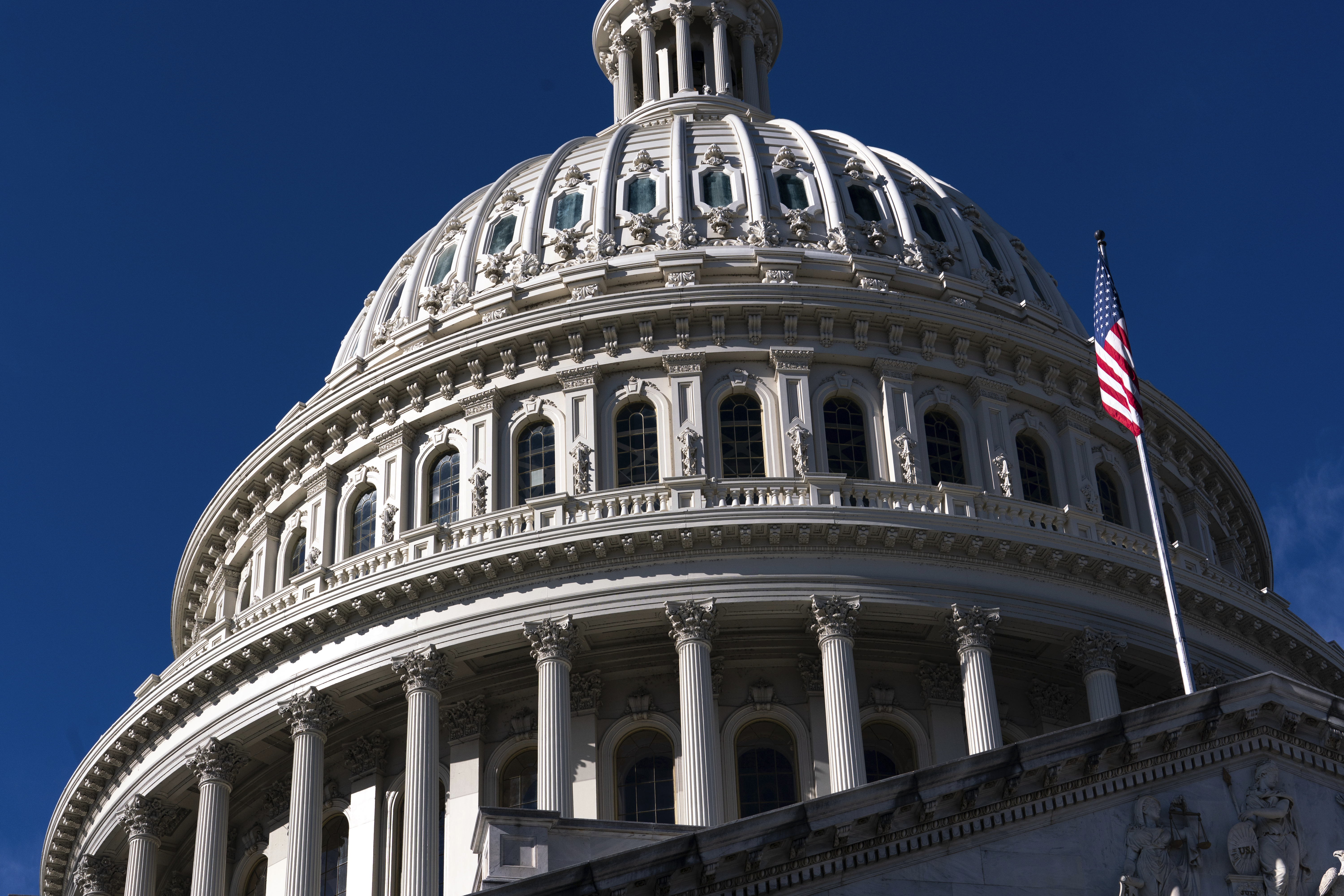



Republican Senators Rick Scott of Florida and Marsha Blackburn of Tennessee have introduced legislation to create a Washington, D.C., memorial honoring victims of genocide, crimes against humanity, and political persecution committed by the Chinese Communist Party.
 The bill is entitled “Honoring the Victims of Communist China's Tyranny Act.”
It not only calls for a memorial funded by the U.S. State Department, it states the memorial will be erected in International Park across from the Chinese Embassy.
"The people of China deserve nothing less than the God-given liberty and unalienable rights America's founders fought for 250 years ago," Sen. Scott said in a statement to Fox News.
Considering the memorial would be erected in the nation’s capital, where China’s economic and political influence is everywhere, that in-your-face plan is being praised by Gordon Chang, a Far East analyst known for his expertise and criticism of the CCP.
"Symbolism is important to the Chinese Communist Party,” he told American Family News. “We need to remind the Communist Party every day that we stand behind the Chinese people."

Chang, 75, was born in New Jersey. His father immigrated to the United States during World War 2, meaning he escaped the China's civil war between President Chiang Kai-shek and Mao Zedong, the leader of the Chinese Communist Party.
After the war, Chian Kai-shek escaped to Taiwan to establish his own brutal government while Mao and his Chinese Red Army established a communist state on the mainland.
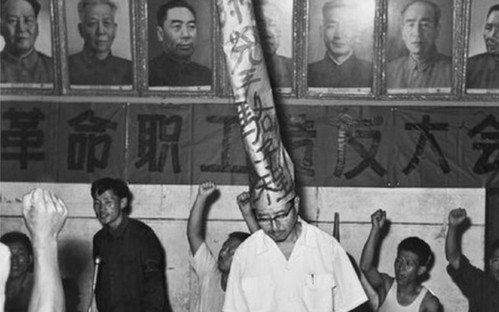
Mao would go on to rule China from 1949 through the 1960s, overseeing the deaths of an estimated 70 million who were executed, worked to death in a labor camp, or starved.
In more recent decades, the American public witnessed China’s brutal grip on state power in 1989, when the CCP crushed a student-led demonstration on Tiananmen Square. That peaceful demand for basic freedoms ended with army tanks in the streets and thousands killed or arrested.
Unknown to the American public, the Bush administration that publicly condemned the murders and arrests secretly sent a delegation to Beijing with a letter from President Bush in which he expressed hope to resume normal diplomatic ties.
China's global influence has only grown since then. Forty years later China has the world's second-largest economy, behind only the United States, according to the International Monetary Fund.
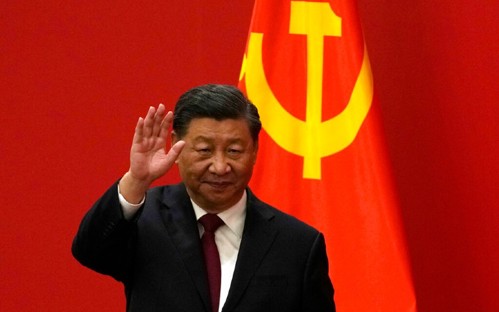 China’s current leader is Xi Jinping, whose official title is General Secretary of the Chinese Communist Party.
Xi Jinping’s own father, Xi Zhongxun, was a respected leader under Mao until he was arrested by Red Guards and sent to a labor camp. The son, then a teenager, was also forced to work at a labor camp because his father was declared a counter-revolutionary of Mao.
“We need to call attention to the plight of the Chinese people every day because their interests and our interests are the same,” Chang told AFN. “We have a common enemy. It's the Communist Party of China, and so therefore we need to stand with our friends.”