



On Friday, the U.S. and Iran plan to sign a Memorandum of Understanding, brokered mainly by Pakistan. As reported by the Associated Press, it calls for a simultaneous lifting of Iran's closure of the Strait of Hormuz and the U.S. blockade of Iran's ports.
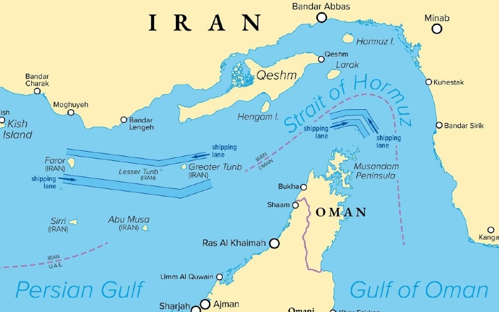 The two sides will then enter 60 days of negotiations over Iran's nuclear program and the potential lifting of sanctions on the regime.
Robert Maginnis is a national defense analyst and president of Maginnis Strategies, LLC.
"I applaud the president's tenacity with Iran. I don't think you can trust them as far as you can throw them, but I'm optimistic but (also) pessimistic. In other words, I think we're making headway, but you've got to verify everything that these people tell you,” says Maginnis. “If they block verification, especially by our people on our timeline inside the country, then it's not going to be worth the paper we sign."
He notes that dealing with these people is difficult.

"I'm hopeful that we're going to be successful this time, and we'll get everything we want. The nuclear dust, the open Strait of Hormuz, they'll stop funding terrorists and the like," Maginnis says.
However, he acknowledges that there is a wildcard here.
"They've tried to tether this agreement with Israel's fight against Hezbollah. I'm sympathetic to the Israelis, that Hezbollah is going to continue to cause problems. I'm not sure that Iran will be able to necessarily control them, and we've seen issues of late in that regard,” says Maginnis. “It's a mixed bag. Time will tell."
In an opinion piece on Fox News, Maginnis views this as a strategic pause, not a solution. While not resolving the crisis, he believes is creates an opportunity to solve it.
Maginnis warns Americans what to watch out for coming next: if the Strait of Hormuz remains open, if Iran accepts real limits to nuclear activity, if regional violence declines and if the 60-day agreement survives and results in an accord.