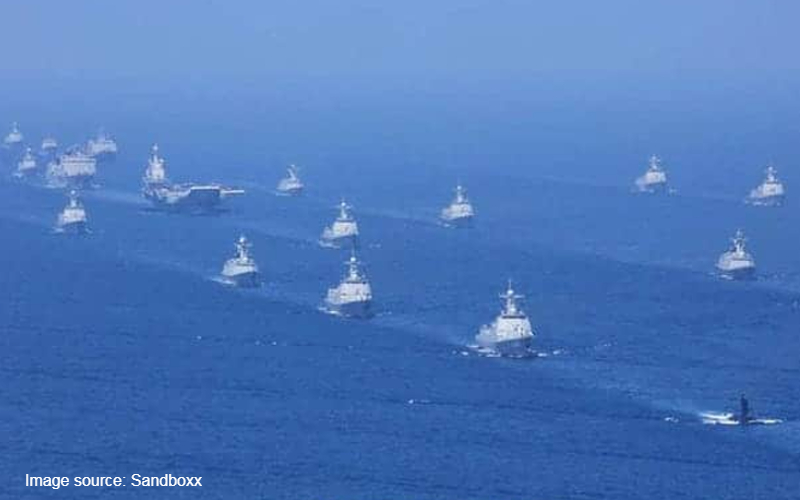



Reacting to the credible report from Wednesday that Iranian speedboats opened fire on three international container ships, and seized two of them, Kirk Lippold told American Family News he wants to know why Iran was able to do that.
“Right now,” he said, “I cannot explain why the United States Navy is allowing Iran to project any power into the Strait of Hormuz and interdict any shipping.”
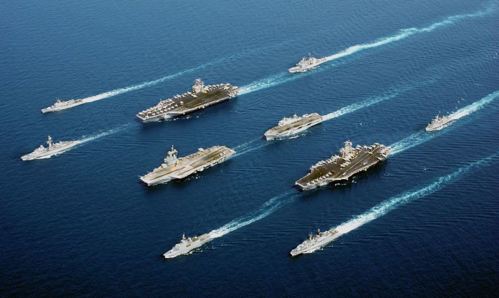 The short answer to that question is the current naval blockade is lined up outside the Strait itself, which is allowing Iran’s speedboats to mine the waters, and harass and attack ships passing through it.
The attack on the three vessels, conducted by Iranian Revolutionary Guard Corps gunboats, was confirmed by maritime tracking and their owner, Mediterranean Shipping Company, according to a Fox News story.
By the end of the day Wednesday, Fox and other news outlets were reporting Navy Secretary John Phelan was out of that job after being fired by Secretary of War Pete Hegseth.
Phelan’s firing, which came after Lippold was interviewed by AFN, has been described by the news media as a political purge by Hegseth, but Phelan is also responsible for the 16-vessel blockade of Iran’s coast that began last week.
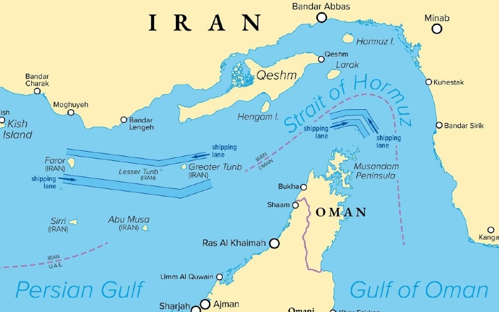 The famous Strait of Hormuz, which falls inside the territories of Iran and Oman, has a 21-mile choke point at its narrowest part. That narrow passageway includes a much narrower deep-water path for vessels, estimated to be about two miles wide.
Soon after Epic Fury began, maritime tracking showed hundreds of container ships stacked up outside the Strait, fearful of an attack and a sunken vessel, until President Donald Trump ordered the U.S. Navy to pressure Iran and protect the commercial maritime traffic with a U.S. Navy blockade.
Even though the oil flowing through the Strait is not destined for the United States, Iran’s threats to the oil supply have had a worldwide ripple effect. That is why AAA reports gas prices in the U.S. are now averaging $4 nationwide for a gallon of regular. That national average was $3.17 a year ago.
IRCG controls thousands of speedboats
How the IRGC speedboats were able to attack and board container ships was explained in the Fox News story. Iran has thousands of the small fast-attack boats, as many as 4,000, and the IRGC that operates them is separate from Iran’s navy that has been sunk by U.S. strikes.
The use of the smaller attack boats is likely why Trump announced Thursday morning he has commanded the U.S. Navy to “shoot and kill” the “small boats” that are mining the Strait.
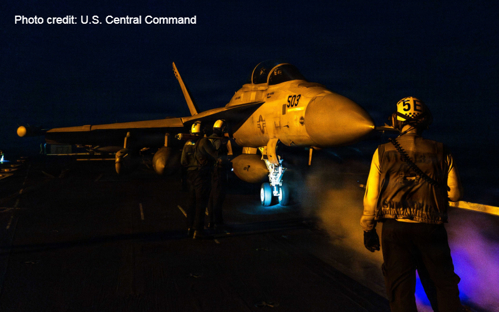 “I have ordered the United States Navy to shoot and kill any boat, small boats though they may be (Their naval ships are ALL, 159 of them, at the bottom of the sea!), that is putting mines in the waters of the Strait of Hormuz," the president wrote in the Truth Social post.
It's unclear from Trump's order, and his post, if U.S. Navy vessels will start engaging the speedboats operating in the Strait of Hormuz.
Lippold was ship commander of the USS Cole when that vessel, a destroyer, got attacked by terrorists driving a similar fast-moving boat in 2000.
That attack, which cost Lippold a promotion to captain, happened in Oman in the Gulf of Aden.
“Quite honestly, it's almost like Fifth Fleet and Central Command have gone missing in action,” Lippold said, “when it comes to defending freedom on the high seas with respect to the Strait of Hormuz."