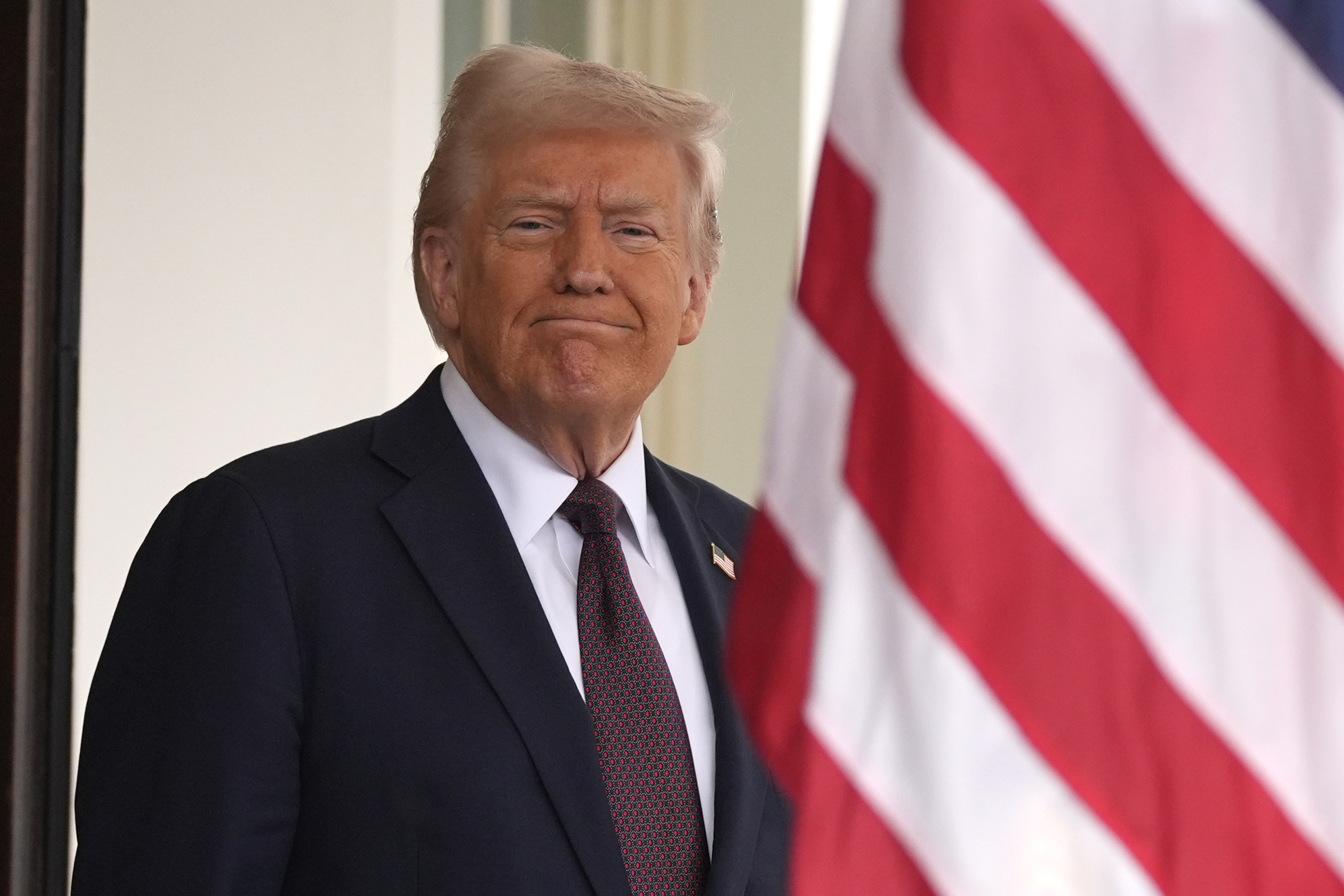


Less than two hours before the deadline set for Tehran earlier this week, President Trump agreed to a two-week ceasefire. In exchange for Iran reopening of the Strait of Hormuz, he called off his promised attacks on Iranian bridges and power plants.
The ceasefire is essentially a "phase one" step toward a larger agreement, and peace talks are expected to continue in Islamabad this weekend. Navy Commander Kirk Lippold (Ret.) believes the pause benefits the United States.
"The two weeks that we are doing this gives us an opportunity to … do maintenance, to give the crews a little bit of a breath, to rearm, to refuel, to reload," he tells American Family News.
Meanwhile, he says we get to watch how the Iranians will violate the ceasefire agreement, which in his estimation is not a matter of if, but when.

"Iran is going to violate it, because they always do," Lippold asserts. "They always lie. They always look out for their own interests. They're already doing it right now by firing missiles into Saudi Arabia, Bahrain and other Middle Eastern countries."
Also, the Strait of Hormuz's control and access remain disputed, as Iran has only allowed limited traffic to resume.
Lippold thinks the U.S. should take advantage of this time by observing what Iran is putting into place to throttle and control the flow of oil through the Strait and by preparing for what is going to happen next.
"The main reason for a two-week ceasefire should be looked at as an opportunity for us to get ready for the next phase, to determine how Iran is going to prepare to violate the ceasefire agreement," Lippold reiterates.