
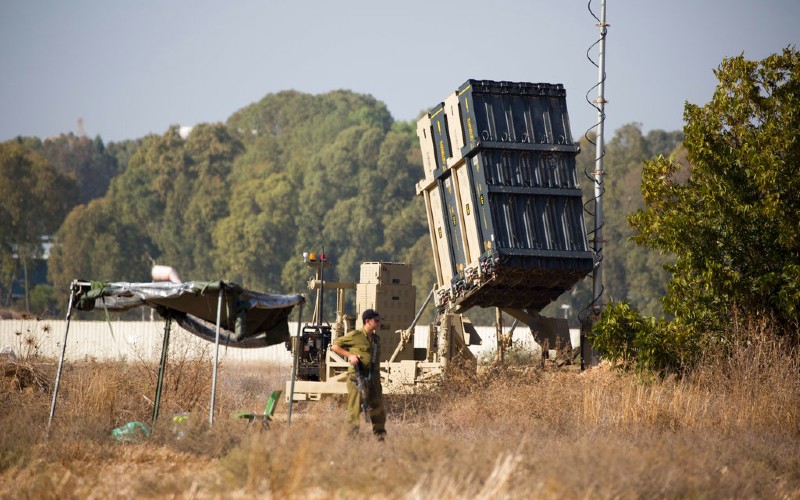
Air raid sirens in Israel sound based on the threat level, ranging from none to several times per day during active conflicts, especially in southern areas near Gaza. In and near active warzones, sirens can blare frequently for weeks, forcing residents into shelters.
Israel's Iron Dome is roughly 90% effective against short-range rockets, mortars, and artillery shells, but during mass attacks, such as those from Hamas, the system can be overwhelmed, allowing some missiles to slip through. It has also faced challenges against specialized drones and some long-range threats.
Retired U.S. Marine Colonel Grant Newsham says Iran is launching the weapons, but North Korea, China, and Russia are engineering and providing them.

"In the case of North Korea, they really are the backbone or the origin of Iran's missile technology, particularly their long-range ballistic missiles," he tells AFN.
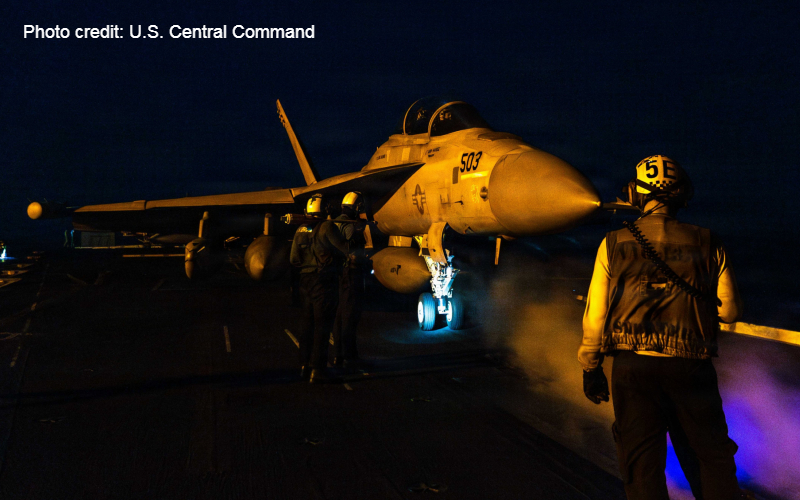
"They sent a couple of them at Diego Garcia, our base down there, and have tried to hit the U.S. aircraft carriers." He notes that "those are all North Korean missiles."
Meanwhile, China is reportedly Iran's largest trading partner and the primary buyer of its oil, accounting for roughly 90% of Iran's exported oi and providing tens of billions of dollars in annual revenue that supports Iran's government budget and military activities.
In 2021, Beijing and Tehran signed a "comprehensive strategic partnership agreement" covering economic, security, and technological cooperation over a 25-year period. China enables Iran to mitigate global sanctions through trade and financial networks, technology transfers, and dual-use trade.
"China as well has been a huge arms supplier of Iran in exchange for oil and some raw materials," Newsham asserts.
As for Russia, he says Iran is — or was — supplying drones in exchange for oil, cash, and intel.
"The Russians, of course, are also giving targeting information to the Iranians so they can try and hit targets in the [Persian] Gulf," Newsham adds.
According to The U.S.-China Economic and Security Review Commission, China, Iran, Russia, and North Korea are increasingly resembling an informal Axis of Autocracy brought together by a shared desire to challenge U.S. global leadership and reshape elements of the international system to be more conducive to authoritarian forms of government.