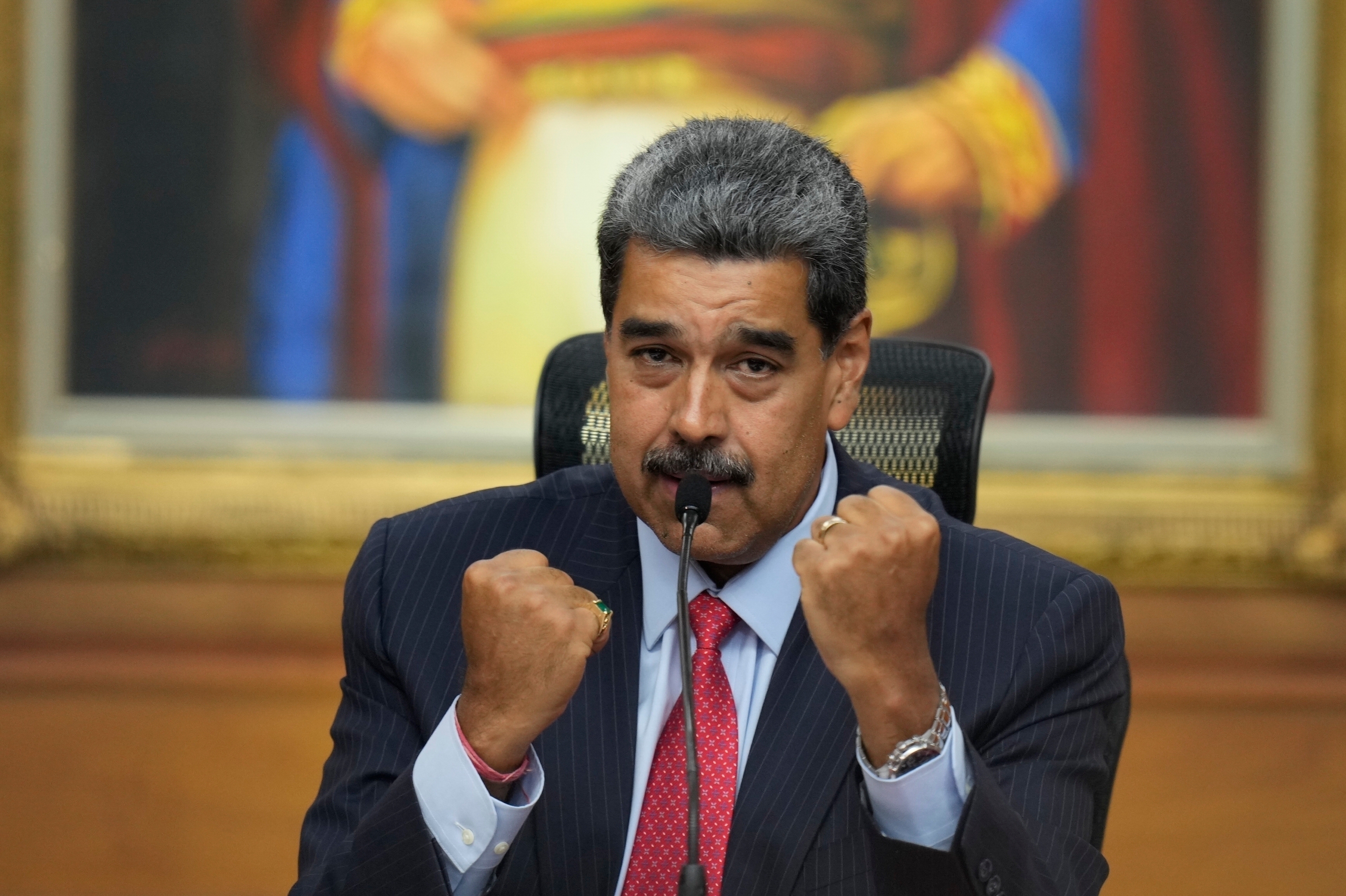


Many older Americans remember a similar effort to outs Manuel Noriega in Panama almost 40 years ago.
There are striking similarities between the Noriega and Nicolas Maduro operations, retired U.S. Army General Jerry Boykin, a Delta Force veteran who participated in the Noriega operation, said on Washington Watch Monday.
“This is exactly the same scenario,” he told show host Tony Perkins. “You had a guy that was pushing drugs into America, and nobody had done anything to try and stop him, and finally it came to this.”
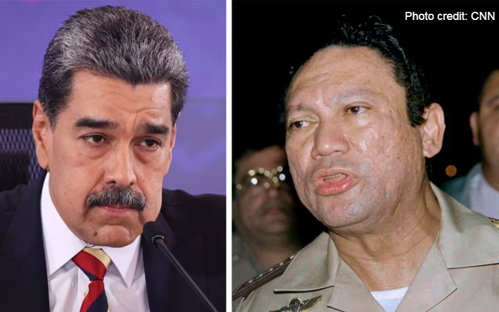 Both Noriega and Maduro, the now-deposed Venezuelan president, were indicted by U.S. courts on drug-related charges.
In both cases the U.S. government had labeled the target as illegitimate or hostile.
Noriega, a Panamanian general who rose to the head of his government, was once a CIA asset, but the relationship with the U.S. soured.
Operation Just Cause in 1989 involved boots on the ground. Noriega’s regime was quickly toppled. He was captured and extradited to the U.S. where he was convicted in 1992.
Noriega’s forces harassed U.S. personnel and civilians stationed in Panama, and an off-duty U.S. Marine was killed just before the invasion.
In the case of Maduro, he’d been voted down by the people of Venezuela only to have his government deny and ignore the election results.
Opposition supporters collected tally sheets from more than 80% of the country’s voting machines that showed Edmundo Gonzalez Urrutia leading Maduro by more than 10 million votes.
Some exit polls showed Gonzalez leading with 65% of the vote.
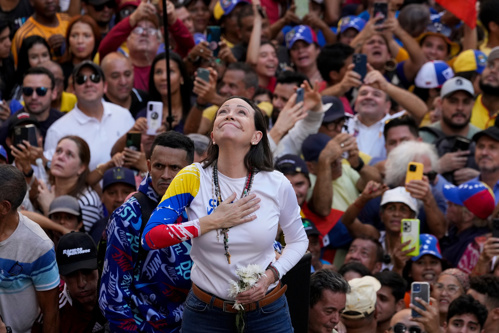 Opposition leader Maria Corina Machado (pictured at left) was actually barred from running against Maduro on supposed corruption charges by the Maduro government.
The Maduro administration’s electoral authority refused to release detailed station-by-station results and did not allow independent verification of many ballots, preventing transparency in the verification process.
Maduro snatch job was building
Delcy Rodriguez, Venezuela’s vice president under Maduro, was sworn in as interim president on Monday.
“This was the natural consummation of a three-month pressure campaign by the president. The president started communicating to Maduro and his cronies, ‘your behavior is unacceptable,” retired Rear Admiral Mark Montgomery told Perkins.
 “It began with strikes on boats. It evolved into sanctioning shadow-fleet ships which evolved further into seizing three of those tankers and alleged intelligence community attack on one of their port facilities,” Montgomery continued.
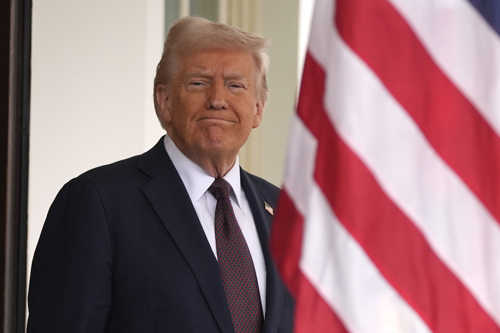
President Donald Trump maintained open communication with Maduro hoping he would leave the country willingly, presumably destined for Cuba.
Maduro refused, and Trump approved what Sec. of State Marco Rubio described as a military-enabled law enforcement operation.
In addition to bad-behaving presidents, Panama and Venezuela both governed something very important to U.S. interests: in Panama, the Canal that bears its name, and in Venezuela, oil.
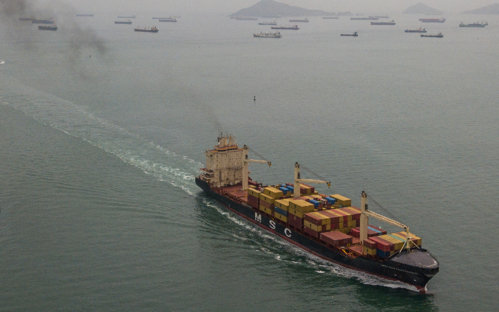 The Panama Canal connects the Atlantic and Pacific Oceans, cutting off roughly 8,000 miles of nautical travel time when moving commercial goods or trying to rapidly deploy naval forces.
The U.S. and Panama jointly administered the Canal in 1989 ahead of a planned transfer to Panama in 1999.
As head of the Panamanian Defense Forces (PDF), Noriega was responsible for Panama’s internal security including areas surrounding the Canal Zone. He had leverage over labor unions, customs, ports and policing, all of which affected Canal operations in some way.
As the U.S. viewed Noriega as unpredictable and hostile, the George H.W. Bush administration feared he could disrupt Canal operations and undermine the treaty-based transition of control.
 Venezuela holds the largest proven oil reserves in the world, estimate at approximately 303 billion barrels, accounting for 17%-20% of global reserves.
Maduro’s court appearance Monday revealed a depth of criminal activity that included drugs, weapons and a relationship with the country’s cartels.
“He wasn't that smart. The people running this criminal enterprise were the minister of defense, Padrino Lopez, and the minister of justice interior, Cabello Rondon. Those two fellows are still there, effectively in charge of the government with a feckless vice president fronting for the two of them,” Montgomery said.
Advice to Trump: Keep on the heat
Trump needs to apply the same pressure to Lopez and Rondon that he did to Maduro, Montgomery said.
“He needs to tell these guys you either go to Cuba, you go join Maduro in New York City, or you’re terminated. Those are really the three options,” Montgomery said.
Noriega and Maduro are far from the only dangerous dictators the U.S. has gone after, Boykin told Perkins.
“These are just two of them. There have been others, most of which were on the highly secretive side. Those people were killing Americans, and our president’s first duty to the people is to protect the nation,” he said.