



Michigan U.S. Senate candidate Abdul El-Sayed is one of the Democrats pushing Medicare for All as a way of helping people make ends meet.
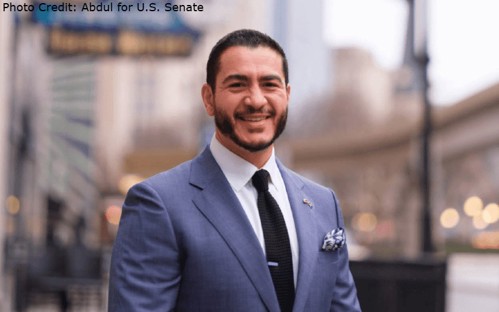 “We’re going to be talking about gas, groceries, good schools and healthcare because that’s what Michiganders keep asking about,” said El-Sayed in a recent campaign event. “It’s why I’m fighting to get money out of politics, money in your pocket and Medicare for All.”
Still, policy experts warn that sweeping government overhauls would backfire.
Gadai Bulgac, a policy analyst at Advancing American Freedom (AFF), says proponents simply don’t understand the economics.
“Well, I think they have no idea what they’re talking about. Medicare for All would be a complete disaster for the country. It would raise healthcare costs, via the government. It would just cost way too much money, and it would make healthcare worse,” Bulgac states.

Uncle Sam’s footprint, Bulgac argues, is already part of the problem. Since Medicare and Medicaid were implemented in 1965, direct government healthcare spending has ballooned from roughly 30% of national health expenditures to nearly half. Bulgac says regulations and mandates have only driven private costs higher for everyday Americans.
Instead of a complete federal takeover, experts suggest targeting Washington’s “low-hanging fruit” — such as reforming the 340B Drug Pricing Program and enforcing site-neutral payments to stop hospital-owned practices from overcharging patients.
“In Medicare, if you go to a hospital-owned doctor’s office, the government gets charged more for the same procedure than if the hospital didn’t own that private practice,” Bulgac explains. “They get to charge twice as much if it’s a hospital-owned physician practice for no discernible quality benefit.”
AAF is on record as saying that “affordability is the No. 1 issue facing Americans.” The organization is also in the process of publishing reports on the various ways government can lower costs.