


The psychoactive alkaloid, ibogaine, comes from a shrub native to Africa and serves as a potent psychedelic, leading to prolonged and intense introspective experiences. Nonetheless, it poses considerable risks, including the possibility of heart failure, and is categorized as a Schedule I substance in the United States.
Texas recently announced that it will allocate $50 million in state funding to investigate ibogaine as a potential treatment for mental health issues, such as PTSD.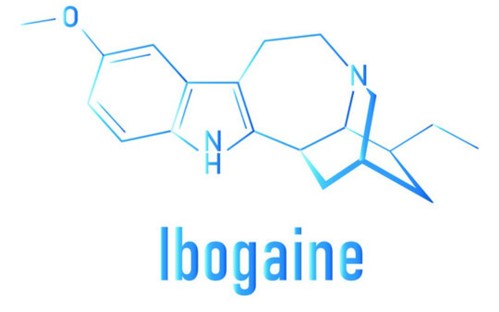
American Family News interviewed Dr. (Ph.D.) Robert Beckman, co-founder and executive director of TreatNOW.org, an organization that has effectively utilized hyperbaric oxygen therapy (HBOT) to treat PTSD, traumatic brain injury (TBI), and concussion.
Admittedly, the former Air Force KC-135 pilot and veteran of the Vietnam War has some reservations regarding the use of ibogaine within the veteran community. However, he says, “I am for anything that will stop suicide, and I don't even care if it's a lasagna.”
“Special operators, in particular, want instant gratification and when it comes to pain, I’m all for it,” Beckman shares. But is simply altering consciousness an appropriate form of treatment? Afterall, popular options to treat PTSD, including ayahuasca and ketamine, and stellate ganglion block injections, have only proven to be “wonderful for immediate cessation negative symptoms,” he explains.
However, Beckman also points out that “there is no longitudinal data, and microdosing is frequently required.” For him, it raises a crucial question: will research show physiological brain wound healing? Only science will reveal the answer.
Most importantly, Beckman notes that if these psychedelics don’t actually heal the wound to the brain, deterioration may continue.

All the while, he asserts that HBOT, which is his field of expertise, has been demonstrated to be both safe and effective for healing brain wounds.
“More than 12,500 veterans have significantly enhanced their lives through brain wound recovery utilizing HBOT,” Beckman shares. “For the past two decades, over 180 TreatNOW Coalition clinics have been successfully treating veterans with protocols proven to be both safe and effective in 28 peer-reviewed clinical studies.”
He also adds that Israel, beginning with the Israel Defense Forces more than ten years ago, has been safely and effectively using HBOT to treat PTSD, TBI, and concussion.
“HBOT is ready, today,” Beckman emphasizes, wondering why such extensive resources are being invested in not using a proven treatment. Although he wishes for ibogaine’s success, he remains committed to immediate use of methods that are safe, effective, and proven.
“Our organization does not oppose ibogaine, psychedelics, or hallucinogens. We want immediacy, and research will take months to set up and years to conduct,” shares Beckman. “In that time,” he points out that “using the 1,200 wound care clinics and hospitals, plus 800 private clinics, we can treat tens of thousands.”
According to Beckman, “Legislators should pass a law to fund HBOT treatments as an adjunct to current ineffective palliatives, [and] HBOT has been proven to reduce suicidal ideation.”
Nebraska legislators recently urged Congress to pass legislation that guarantees veterans access to treatments, including HBOT. Nebraska became the fourteenth state to request HBOT approval from the Department of Veterans Affairs (VA) to address the suicide crisis impacting veterans.