

Illinois has become the first midwestern state to allow what it calls medically assisted suicide for the terminally ill.
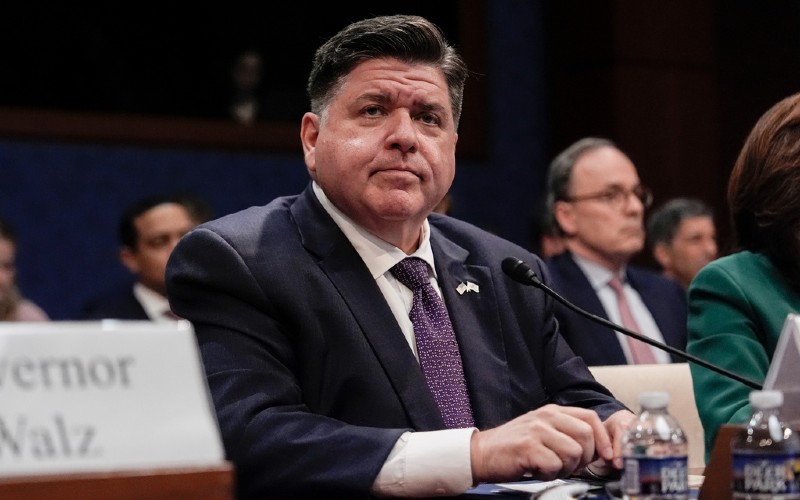
"This legislation will be thoughtfully implemented so that physicians can consult patients on making deeply personal decisions with authority, autonomy, and empathy," Governor JB Pritzker (D-Illinois) said after signing the measure in Chicago.

In Illinois, patients 18 and older with physician-confirmed mental capacity to make medical decisions may request end-of-life medication if they have an illness that could be fatal within six months, as verified by two doctors; as well as have received information about all end-of-life care options, such as hospice or palliative care. Additionally, both oral and written requests for the medication must come from the patient, not a surrogate or proxy.
Jessica Rodgers, coalitions director for Patients' Rights Action Fund said "it's really terrible that the governor signed this bill" into law.
"Assisted suicide policy creates a two-tiered system where some people receive appropriate mental health intervention when expressing suicidal ideation, and others are abandoned by their doctors when they have a life-threatening disability," said Rodgers. "That doctor, in states where assisted suicide is legal, can wash their hands of that patient and prescribe them experimental, lethal drugs for the purpose of ending their life."
Rodgers says her organization is not the only one concerned. Organizations like the American Medical Association and the American College of Physicians "maintain strong opposition" to these kinds of policies.
"We're deeply concerned that everyone in Illinois is now at risk of deadly harm and discrimination from this assisted policy," Rodgers told AFN. "We've seen tremendous abuses in other states that have passed similar laws and there's nothing in the Illinois bill that will protect people from deadly harm."
Meanwhile, Rodgers expects other midwestern states to follow Illinois in passing assisted suicide measures.
"Proponents have been spending a lot of money in Illinois trying to get the law passed there," said Rodgers. "With that money freed up, I have no doubt that they'll continue to target other states and our work increases to educate people about the harms and the abuses that come with assisted suicide laws."