

The U.S. Supreme Court ruled 8-1 last week that Colorado's ban on "conversion therapy" or "talk therapy" violates the First Amendment rights of Kaley Chiles.
Only Justice Ketanji Brown Jackson dissented.
The Supreme Court also sent the case back to a lower court to decide if it meets a legal standard that few laws pass, but Alliance Defending Freedom (ADF) attorney Jake Warner is not concerned.
He tells AFN the U.S. Supreme Court ruling is really the writing on the wall.

"The court said that there is no difference," Warner relays. "The First Amendment applies in the counseling room just like it applies everywhere else. The state doesn't have a free hand to censor viewpoints that it disagrees with, and the state has to at least overcome what courts call strict scrutiny, the highest test known to constitutional law."
Meanwhile, he says Colorado has identified no evidence that is even close to overcoming the standard it has to satisfy.
"In fact, it freely admits that it has identified no study that's on point focusing on voluntary conversations between licensed counselors and willing minor clients," Warner notes.
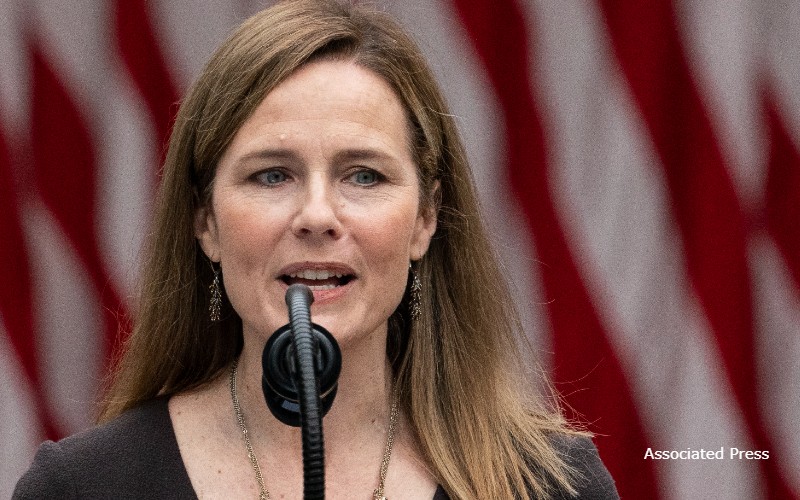
Democratic Governor Jared Polis (pictured above), an openly homosexual man who signed the ban into law in 2019, has expressed his disappointment with the Supreme Court's ruling.
"Colorado is for everyone, no matter who you are," he said. "Conversion therapy doesn't work, can seriously harm youth, and Coloradans should beware before turning over their hard-earned money to a scam."
As a professional counselor, Chiles is on record as saying that talk therapy does work and that "kids deserve real help affirming that their bodies are not a mistake and that they are wonderfully made."
Warner points out that Colorado continues to lose cases to ADF, which has represented other professionals like baker Jack Phillips and graphic designer Lorie Smith.
In 2018, the Supreme Court ruled the Colorado Civil Rights Commission's actions in assessing the cakeshop owner's reasons for declining to make a cake for a same-sex couple's wedding celebration violated the Free Exercise Clause. This was a win for Phillips, who faced charges for refusing to design a same-sex wedding cake based on religious objections.
In 2023, justices said that the First Amendment prohibits Colorado from forcing Smith to create expressive designs speaking messages with which the designer disagrees.
"Colorado is no respecter of the first amendment," Warner tells AFN. "The past 15 years have shown that."
In case after case, Colorado has tried to compel speech and censor speech, to force people to think and say things that it wants them to say.
"It's been thwarted every single time," says Warner. "Three victories at the U.S. Supreme Court now saying Colorado must respect the First Amendment, so, we're very hopeful that the state will take a hard look the next time that it aims to compel speech or to censor speech because it disagrees with the message."
He commends the Supreme Court for recognizing that the First Amendment stands in the way of that kind of government censorship.