


There seems to be no end in sight to the conflict in Iran. Speaking from the Oval Office recently, President Donald Trump gave a dim view on possible talks, saying the U.S. has "no interest in meeting."
Meanwhile, House Speaker Mike Johnson (Louisiana) says, "We got to wrap it up." He is just one Republican lawmaker who is concerned about the upcoming midterms.
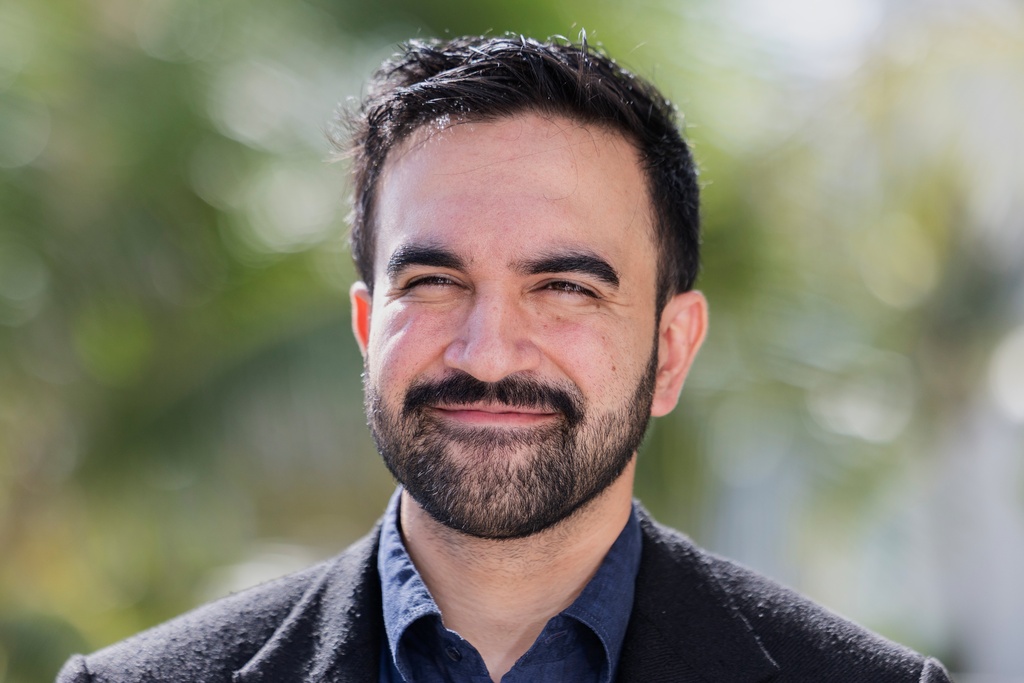
"I think they're looking at the political writing on the wall," comments Bob Maginnis. "They recognize that the end of July is kind of late for a November election, which is going to tip the power in Washington in a direction that's not favorable to them."
Calling those concerns "perfectly logical," Maginnis suggests an intermediary.

"I would recommend Prime Minister [Narendra] Modi of India, who gets along with the United States, Israel, and with Iran," he says. "They need to find some sort of accommodation in which we stop shooting at one another and that the Strait of Hormuz is open and that Iran will not seek a nuclear weapon."
Short of a ground invasion, which he does not support, Maginnis thinks the president will continue to bomb and the Islamic Revolutionary Guard Corps will continue to refuse to surrender.
"You've got to find somebody to kind of shepherd this toward a peaceful outcome," he reiterates. "I think Prime Minister Modi is probably one of the better ones."
According to the Council on Foreign Relations, Prime Minister Modi has sought to balance India's relationships with competing global powers, pursuing what India describes as a policy of strategic autonomy.
Under his leadership, India has dramatically strengthened ties with the U.S., expanding cooperation in defense, intelligence, technology, trade, and the Indo-Pacific. The two countries view each other as key strategic partners, particularly in balancing China's growing influence.
Modi has also brought India and Israel closer than at any point in their history through defense cooperation, intelligence sharing, cybersecurity, agriculture, and innovation. India has generally maintained strong ties with Israel while also advocating for humanitarian concerns and a negotiated two-state solution in the Israeli-Palestinian conflict.
Meanwhile, Modi has maintained pragmatic relations with Iran despite India's closer ties with Washington and Jerusalem. Iran remains strategically important to India because of energy security and the development of Chabahar Port, which gives India trade access to Afghanistan and Central Asia.
India has generally sought to preserve its relationship with Tehran while complying where necessary with international sanctions and encouraging diplomatic solutions to regional tensions.