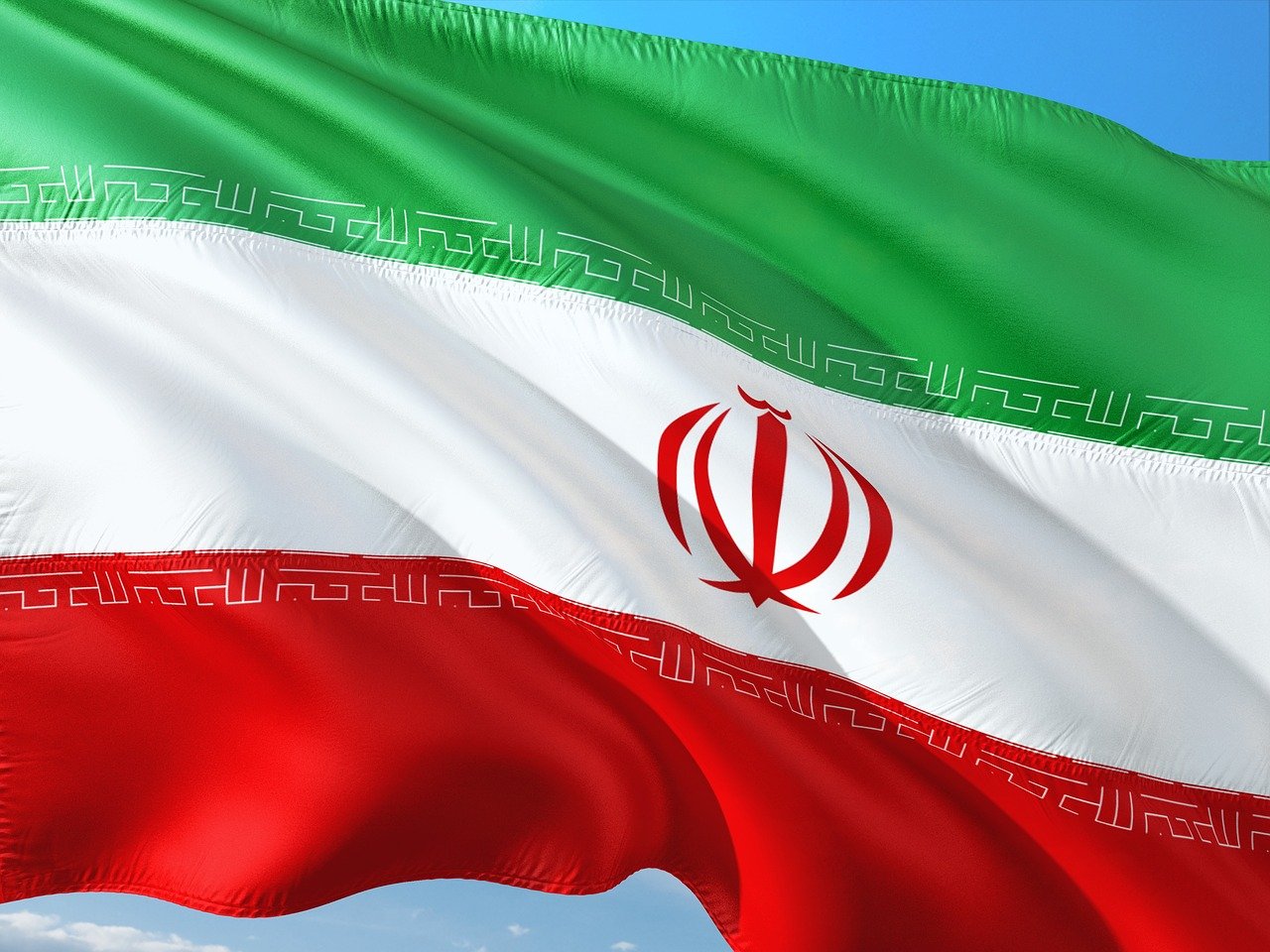



The president says the U.S. has brought Iran to its knees with the war that is now on hold thanks to this pending deal between the U.S. and the Iranian mullahs.
Meanwhile, Iran is acting as if it has won, including demanding that the U.S. stop Israel from going after Hezbollah in southern Lebanon.

Ruthie Blum, columnist and senior contributing editor at Jewish News Syndicate and a former advisor at the office of Israeli Prime Minister Benjamin Netanyahu, recently told "Washington Watch" that the understanding was reached while Hezbollah actively ignores the ceasefire, firing into Israel regardless of any deals.
"It's a shame that the memorandum is linked to Lebanon," she told the show host. "The idea that somehow a terrorist group can dictate to a terrorist state what should go in a memorandum of understanding with the greatest superpower in the world and a democracy, I think something is very wrong here."
She said Tehran believes it won this war because President Trump seems to be treating it as an equal negotiating partner.
"That's a big mistake when you're dealing with the Middle East," Bloom asserted. "This is, in my view, snatching defeat from the jaws of victory."
Rabbi Pesach Wolicki of Israel365 recently told American Family Radio that Iran has been playing President Trump.

"As soon as negotiations started, they just went into delay mode. They knew that the longer this goes on, the less patience the American people will have," Rabbi Wolicki summarized. "Their strategy seems to have worked brilliantly."
Netanyahu has been publicly diplomatic about all this, though unyielding in his insistence that Israel alone will be responsible for its own security.
"The first line of [his] reaction was that Israel is not a party to this deal," the rabbi pointed out. "He wanted to make it very clear to the world that Israel does not see itself as bound by this deal."
Jenna Ellis says Israel, which was not invited to the negotiations, has expressed strong reservations, fearing that the memorandum fails to address ballistic missile threats and proxy funding.
Netanyahu is under domestic pressure to maintain aggressive security measures while the U.S. is prioritizing regional stability. Wolicki believes the U.S. and Israel have Iran on the ropes, and now is the time to drive toward victory.
"If the Iranians haven't given in until now, under immense military pressure, why will they give in after they've been given sanctions relief, after they've been allowed to sell their oil for a few weeks and started replenishing their funds?" he posed.
Hogan Gidley, vice chair of the Center for Election Integrity and senior communications adviser at the America First Policy Institute, commends the president for getting Iran to the negotiating table.

Gidley, who previously worked in the first Trump administration as a deputy press secretary in the White House, told Ellis that foreign policy is difficult and nuanced because it involves multiple egos, multiple opinions, and multiple sets of facts from different countries that may or may not be at odds with what the U.S. is trying to accomplish.
He said Donald Trump's first administration did "an outstanding job" of bringing about peace in the Middle East, which no one thought possible, and so far in this term, he has solved several conflicts around the world.
Clarifying that he was not comparing Trump to God, he noted that God often outlines in the Bible that "if you do this, then you will get this."
"There's a lot of parallels here with the if-thens," Gidley told Ellis. "Donald Trump has said multiple times if Iran behaves, then they do get certain things. It's like a parent with a child."
He said a lot of things have to fall into place and a lot of promises have to be kept in order for this understanding to become some type of deal. He does not expect Trump would let Iran get away with "literal murder," but "we'll have to see what happens," Gidley said.
How this ultimately pans out is uncertain, but Ellis says the United States needs Israel as an ally for the negotiations, and Israel needs the United States "probably even more" to help with its ongoing conflict with Hezbollah.