


The peace talks, which were brokered by the U.S. State Department, are being described as historic because 30 years have passed since representatives from Lebanon and Israel sat across a table from each other. The Israeli delegation is led by Yechiel Leiter, the Israeli ambassador to the United States. Nada Hamadeh Moawad, the Lebanese ambassador to the United States, is representing her country.
Secretary of State Marco Rubio, acting as a primary mediator, is credited with bringing both sides together with the stated goal of pushing out a third party, the Hezbollah terrorist group.
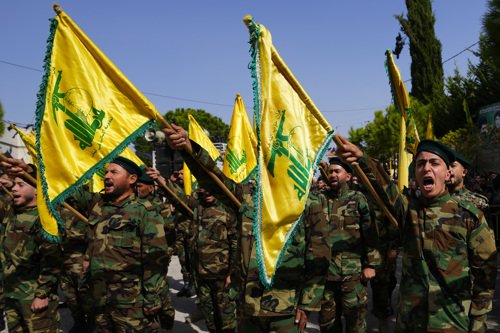 Lebanon, which borders Israel in southern Lebanon, operates with a sectarian government that balances the country’s population of Christians and Muslims.
That delicate democracy is complicated by Hezbollah, which was founded in the early 1980s by Iran’s then-new Islamic revolution, and it has been funded and supplied by Iran’s Supreme Leader ever since.
Inside the borders of Lebanon, Hezbollah has enjoyed both a legitimate political influence with elected members in the Lebanese parliament and also a shadowy, menacing influence as an armed military in a constant war with Israel.
In recent months, likely with the quiet help of the Trump administration, the legitimate government in Lebanon has tried to push back Hezbollah’s dangerous influence in Lebanon. The most public pushback came March 2 when the Lebanese government declared Hezbollah “outside the law” and declared its military operations are not legal.
Before the peace talks began Tuesday, Secretary Rubio recognized Lebanon’s predicament and its real enemy preventing peace with its neighbor.
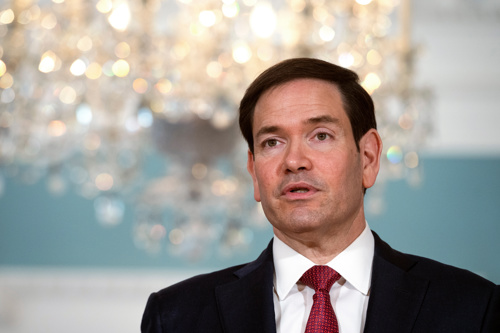 “We have to remember: the Lebanese people are victims of Hezbollah,” Rubio, with the ambassadors standing with him, told reporters Tuesday.
Gregg Roman, executive director of Middle East Forum, told “Washington Watch” that Hezbollah is calling the peace negotiations “futile” because it is worried about finally losing political power in Lebanon.
“That's how you know that they're working for the first time in 33 years,” Roman, a former advisor to the Israeli government, said of the peace talks.
Roman recalled Hezbollah and Israel agreed to a ceasefire in 2024, but that agreement fell on the Lebanese government for enforcement, but the government was not strong enough to follow through.
Lebanon, he pointed out, now has the backing of the United States with a weakened Iran under attack and unable to properly support its terrorist proxy.
“If the legitimate Lebanese government wants to be able to get peace with Israel, Hezbollah is the actor that's in the way that has to be removed,” Roman said.