


Just over a year ago, Ohio (Senate Bill 1) and Kentucky (House Bill 4) banned DEI programs and policies from higher education in their states.
However, recent video from the Accuracy in Media, a conservative grassroots watchdog organization, shows that many schools, teachers, and administrators in those states are carrying on as usual.
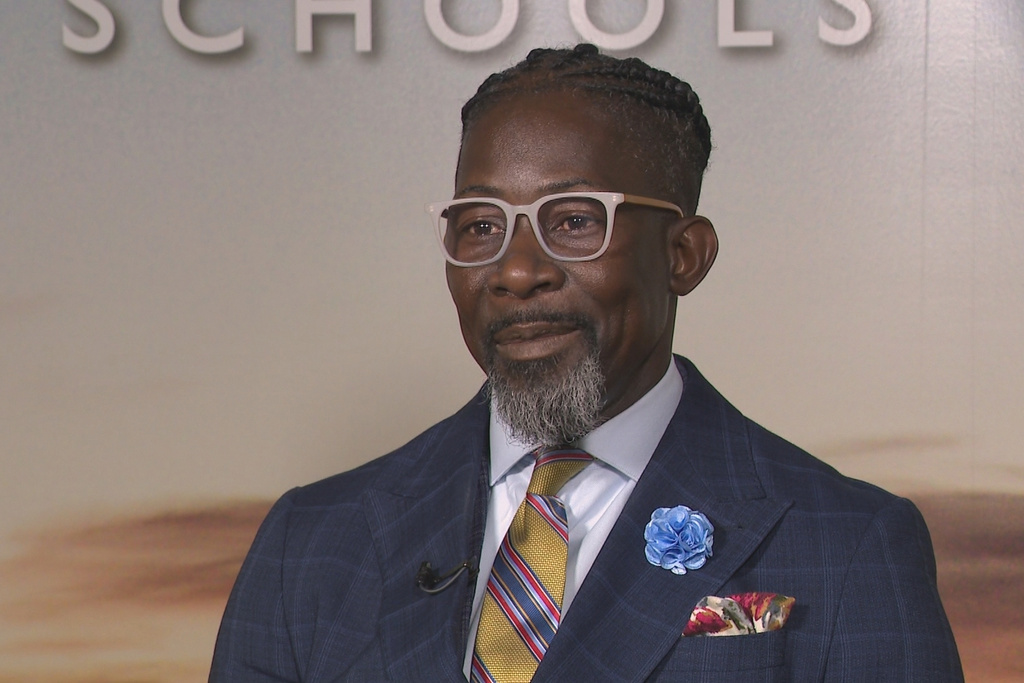
University of Louisville Professor Karen Christopher (pictured above), for example, told an undercover journalist that she has not changed the way that she teaches sociology.
"I'm teaching it exactly the same that I've taught it for the past few years," she revealed. "The curriculum has not been touched."
Kentucky HB 4 restricts or eliminates DEI programs at public colleges and universities by banning DEI offices, staff, training, and related spending, while also prohibiting institutions from using race, sex, or similar characteristics to provide differential treatment or benefits in areas like admissions, scholarships, and hiring.
But Professor Christopher noted that it is difficult for lawmakers to come after the curriculum due to "academic freedom."
Accuracy in Media also sent an undercover journalist to Ohio State University, where Jennie Babcock, the assistant dean of academic affairs, asserted that SB 1, which broadly prohibits DEI programs and activities in public higher education by banning DEI offices, training, scholarships, hiring practices, and programming that advantage or target people based on protected characteristics like race, sex, or religion, "doesn't impact our curriculum."
"We are teaching our curriculum, our courses as we always have," she shared. "We talk about bias; we talk about social justice."
Accuracy in Media President Adam Guillette tells The College Fix the footage highlights "loopholes" in the new laws.
Learning deficits
While DEI is still very much present in higher education, test scores and proficiency at other levels continue to drop.
A video recently shared on social media shows students at UCLA cannot read at a sixth-grade level, struggling to sound out the sentence, "The beneficiary tried to embellish the extortion scheme."
American student test scores have reportedly been declining for more than a decade, a stat that worsened during the pandemic, which continues to affect all students across the country.
Experts say the U.S entered a learning recession in 2013. Then in 2022, ACT scores hit a 30-year low, with the average score dropping to 19.8 out of 36.
Data from the National Assessment of Educational Progress (NAEP), known as "The Nation's Report Card," shows eighth-grade math proficiency has fallen from 74% in 2013 to 61%, and reading scores for eighth graders reached their lowest point since 1990.
Experts have pinned school accountability, increased social media use, and the pandemic disruptions as factors to this learning decline. Absentee rates are also 8% higher than before the pandemic.
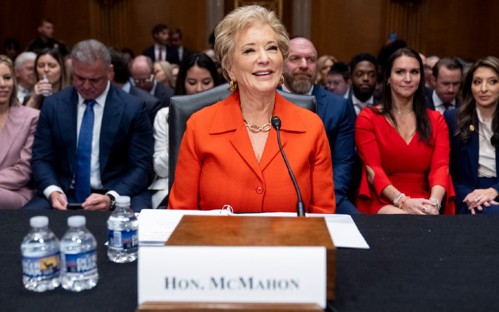 "When you have only 30% … of eighth graders and fourth graders that can read at a proficient level, we are failing our students, and we need to change that," Education Secretary Linda McMahon (pictured left) recently told lawmakers.
Noting that some states are doing slightly better, she framed the problem as an overall systemic failure and suggested the need for major change in how education is delivered.
She did not outline a detailed policy package, but she has generally pointed toward expanding "science or reading" approaches, encouraging state-led reforms, and increasing focus on literacy instruction methods and accountability.