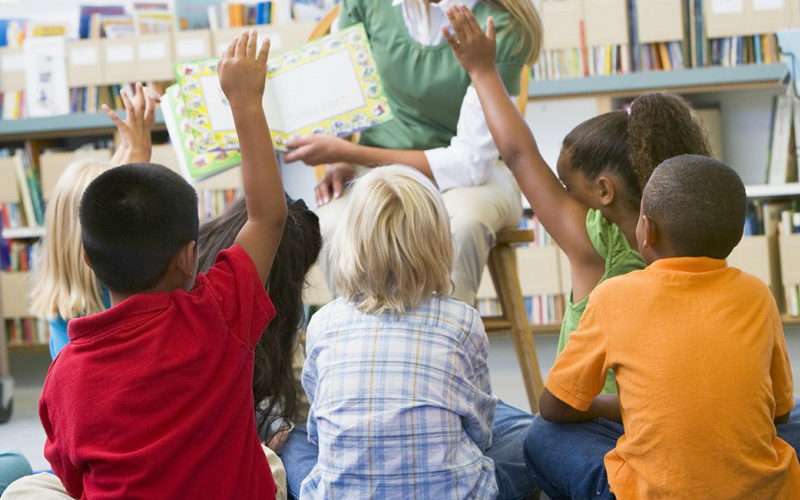


12th graders' scores dropped to their lowest level in more than 20 years, according to the National Assessment of Education Progress. Eighth-grade students also lost significant ground in science skills.
The assessments were the first since the pandemic, and the Associated Press says they "reflect a downward drift across grade levels and subject areas."
Paul Runko, senior director of strategic initiatives and K-12 programs at Defending Education, is not surprised.

"The Secretary of Education, Linda McMahon, put out a great post on X [saying] despite billions in federal spending and countless well-intentioned programs, the achievement gap between students is widening, not shrinking," Runko relays. "We dumped so much money into schools in the hopes that that money would help students recover from academic learning loss and make students' scores go back up, but that was just not the case."
As schools all over the country are inflating grades, few parents really know what is going on with their kids in school. But Runko says they can help make sure their child is prepared for the classroom and performing well by having "honest conversations with their child's teachers."
"Parents should also advocate for classrooms that teach reading, writing, and math and spend less time – or even no time – on extracurriculars such as DEI and gender ideology," he suggests.
He says spending more money on education will not improve test scores, but parents can help by making sure that their kids are getting as much instruction time in the core subjects as possible and supplement at home when needed.