


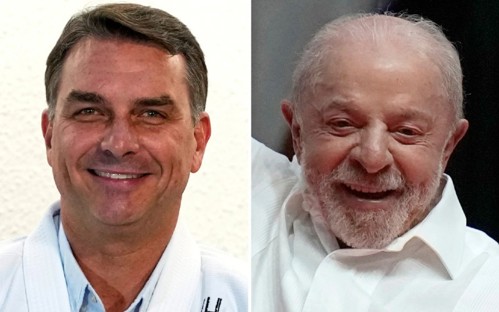
Brazilian President Luiz Inácio Lula da Silva secured nearly 52% of the vote in the Oct. 25 runoff, defeating conservative Flávio Bolsonaro, an ally of U.S. President Donald Trump.
There had been considerable optimism among conservatives after the first round of voting on Oct. 4, when Bolsonaro received 47.03% of the valid votes, finishing ahead of Lula. The runoff was necessary because neither candidate secured a majority.

Brazilian-born Dr. Gabriel Castro, assistant professor of international studies at Cedarville University in Ohio, says even though third-party candidates supported the conservative candidate, President Lula managed to convince people who had not voted in the first round to go out and vote in the runoff.
"How did he do so? Well, mostly by expansion in current welfare benefits, new welfare benefits," Castro says. "I guess it worked."
Between the Oct. 4 first round and the Oct. 25 runoff, Lula expanded Brazil's Bolsa Família cash-assistance program by 15% and promoted additional measures to ease household costs, including debt relief, lower fuel prices and free weekend public transportation.
Critics argued that the timing gave Lula an electoral advantage, while supporters said the measures helped families cope with rising living costs.
Bolsonaro challenged the runoff results, initially calling for the election to be annulled over a decision to extend voting hours by two hours. However, only about 34,000 votes were cast during the extended voting period, and Lula won by approximately 4.4 million votes.
Meanwhile, independent election observers generally praised the voting process as organized and transparent, and audits of electronic voting machines supported the accuracy of the recorded results.
As of Tuesday, authorities had not ordered a recount or granted the request to annul the election. Bolsonaro has reportedly withdrawn his call to annul the election and is preparing to take up the role of opposition leader. He still plans a legal challenge seeking to disqualify Lula and Vice President Geraldo Alckmin over alleged abuse of economic power.
 Lula's victory also has implications for Brazil's relationship with Washington. His administration, he says, has sought to preserve working relations with the United States while resisting what it views as American interference in Brazilian sovereignty. Trump, meanwhile, has used tariffs and sanctions to pressure Brazil over trade, online speech and the prosecution of Flávio Bolsonaro's father, former President Jair Bolsonaro.
Although the two governments have continued negotiating on shared interests such as trade and organized crime, their relationship has been marked by substantial political and diplomatic friction.
A Bolsonaro victory could have brought Brazil closer to Washington politically and strategically, potentially improving trade negotiations and security cooperation. However, Brazil's economic ties with China and its longstanding preference for an independent foreign policy would likely have limited the extent of that alignment.
Despite Lula's victory, Castro believes the trend is still positive for conservatism in South America.
"If you go back to the first round of the election and look at the Senate and the House, a very big victory," he says. "Hopefully, they will be able to stop or at least slow down the agenda of now re-elected president of Brazil."