


New Life Christian Center in Durham, North Carolina, actually had a longstanding history of advertising on the city buses. That changed in August of this year when, for the first time, the City of Durham rejected the requested advertisement that featured the name of the church, its website, a phone number, and a picture of the pastors.

Attorney Ryan Gardner of First Liberty Institute, the law firm representing the church, said that his client was told the ad was denied pursuant to a city policy that "forbids" any advertising that is religious in nature.
"So, we at First Liberty sent a letter to the city explaining why the application of this policy to our client was unconstitutional," says Gardner.
Gardner said that the city's reaction was "interesting." While the city reversed its denial of the church's advertisement, the city maintained that its policy was, in fact, constitutional.
"We don't agree with them on this, but we're very happy that they have reversed for the client, and now that client is going to be able to run their ad on the bus, as it has for many, many years," states Gardner.
Meanwhile, Gardner said that similar issues have popped up in other parts of the country. That includes Washington, D.C., where First Liberty is involved in an ongoing lawsuit with WMATA.
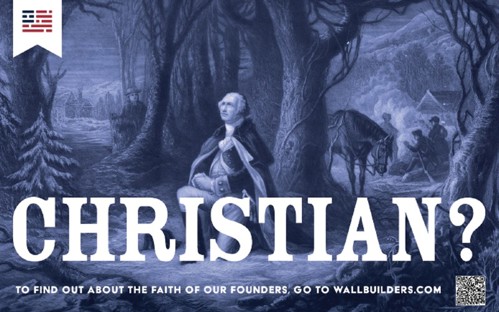
That lawsuit involves WallBuilders, a Texas-based non-profit organization that seeks to educate the public about the role that the Founders' Christian faith played in the creation of the nation and the drafting of the Constitution. WallBuilders sought to place its advertisements on the side of WMATA Metro buses. WMATA rejected the ads on the grounds that they violated its advertising guidelines, which prohibit advertising "intended to influence members of the public regarding an issue on which there are varying public opinions."
WallBuilders v. WMATA argues that these ad guidelines violate the First Amendment, which prohibits government agencies from discriminating against private speech based on its viewpoint or from imposing unreasonable restrictions on speech.
"I would encourage your listeners, if any of them encounter this kind of issues, to reach out because this is a widespread issue that needs to be addressed, and these cities who have these sorts of policies on the books that are discriminating against religious advertising need to be called out for these unconstitutional policies," says Gardner.