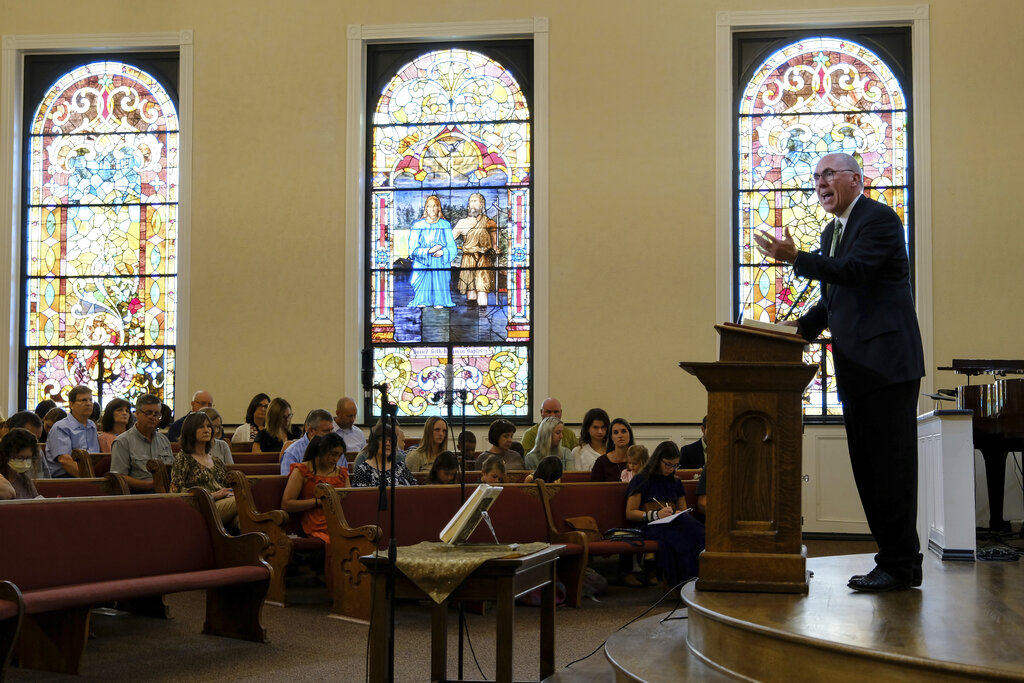



At their annual meeting in Orlando, Southern Baptist Convention messengers on Wednesday approved a measure that tackles the controversy of female pastors.
The “Truth and Unity Amendment” passed with 74% approval, which exceeds the two-thirds majority required to change the SBC constitution known as the Baptist Faith and Message.
The amendment, introduced by Southern Seminary President Al Mohler, Jr., states SBC churches in good standing will not “affirm, appoint or endorse a woman serving in the office or function of a pastor/elder/overseer, such as preaching to the assembled congregation.”

Under its rules, the SBC must vote for and approve the amendment a second time next year for it to become permanent in the constitution.
Baptist Press editor Brandon Porter told American Family News the amendment will “specify a little bit more strictly who can serve as an elder and pastor and overseer of a local church."
Describing the amendment’s language, Liberty University spokesman Ryan Helfenbein said the measure clarifies that a pastor is the person who preaches to the assembled congregation and holds an office of authority over the entire congregation.
The amendment comes after some Southern Baptist churches have used the term “pastor” very broadly, and intentionally, to elevate a woman to the role of church pastor, Helfenbein said on American Family Radio Thursday.
 That designation is different, he said, from a church that employs a female to oversee the children’s ministry, for example. The church might innocently refer to that role as “children’s pastor” rather than “children’s minister” or “children’s director.”
“It’s weird that’s it’s necessary, but it’s become necessary to make an amendment,” he told show host Jenna Ellis.
Describing the staff at many Southern Baptist churches, Ellis said there are many churches that use “pastor” loosely, such as a worship pastor or a children’s pastor, that include a female on staff.
“But to designate that term as a ‘pastor’ is trying to, I think, purposefully categorize women in leadership in a way that undermines the principle that is in Scripture,” Ellis warned.
“Yes, 100 percent right,” Helfenbein agreed.
SBC has booted several congregations
The looming issue of female SBC pastors, which was addressed with the Wednesday vote, dates back several years within the conservative-leaning denomination. Since 2019 to date, about 10 churches have been expelled and another 20 have left the SBC under scrutiny over their church staff titles, and theological beliefs, about female pastors.
 The most famous disagreement happened over female pastors at Saddleback, the California church famous for its founder and best-selling author, Rick Warren. That megachurch drew attention when Warren ordained three women as pastors in 2021.
A second church targeted by the Convention is a Louisville, Kentucky church called Fern Creek Baptist Church. A female pastor named Linda Barnes Popham has led that church since 1993 after beginning as the music and youth minister.
NYT story blames 'faction' within SBC
In its story on the SBC vote, a CNN story quoted a group called the Baptist Women in Ministry that slammed the amendment.
“We express our solidarity with the women in ministry who have been harmed by this vote, the hateful rhetoric and propaganda leading up to the vote, and the damaging theology the vote represents,” the group, affiliated with the liberal Cooperative Baptist Fellowship, stated.
According to a related New York Times story about the Wednesday vote, an unnamed “faction” within the SBC wants to “steer the country’s largest Protestant denomination to the right.”
 In reality, however, many Southern Baptists know the denomination has maintained a conservative view on biblical orthodoxy, and cultural issues such as abortion and homosexuality, for nearly a half-century.
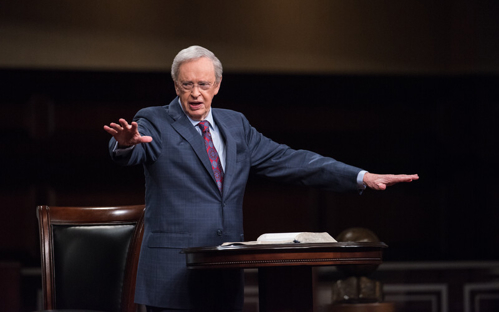
That period of internal conflict, dating back to the late 1970s, has been called the “conservative resurgence” after SBC leaders Adrian Rogers, Paige Patterson, and Charles Stanley beat back a liberal drift in Southern Baptist pulpits and seminaries.
Mohler, now 66, was a seminary student during that period. He has credited those SBC leaders for rescuing the seminaries from theological liberalism that had captured mainline denominations decades earlier.
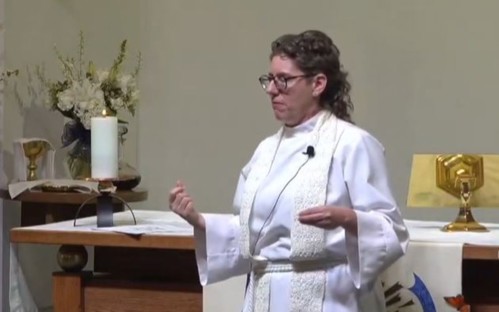
In more liberal mainline denominations, the first female pastors appeared behind the pulpit as far back as the 1950s in Presbyterian churches and Methodist churches. Lutheran churches and Episcopal churches followed that liberal trend in the 1970s.
Now, 75 years later, there is fierce debate within the Presbyterian Church (U.S.A.) over a measure requiring ordained clergy to maintain monogamous sexual relationships, Fox News reported.
 That proposed rule, which will be debated this summer, is opposed by the Advisory Committee on Social Witness Policy, Advocacy Committee for Women and Gender Justice, and Advocacy Committee on LGBTQIA+ Equity.
Without addressing that controversy specifically, Helfenbein warned that denominations that take an egalitarian view on female pastors typically don't stop with that liberal orthodoxy.
"I'm not talking about months or years," he stressed, "but in decades those churches invariably become liberal on a whole variety of social issues. That happens. That is historical. It's well-documented."