


The U.S. and Iran have agreed on a “Memorandum of Understanding,” an agreement in principle, to end hostilities, and have declared an immediate and permanent termination of military operations on all fronts. That includes Lebanon and the Strait of Hormuz.
Both sides have publicly confirmed the deal is complete, but it won’t be signed until this Friday in Switzerland.
While it’s fresh and new, Americans need to take the deal at face value and smile for what it could accomplish, an economic analyst said on American Family Radio Monday.
 News of the deal sent stocks soaring across the world, and the cost of oil fell by more than $4 a barrel.
There’s lots to like, particularly on the economic front, but the question of the Islamic regime’s trustworthiness looms in the background.
“Let’s assume that the Iranian government even can agree to an agreement with all the different factors in the net. Let's assume the best in all that sort of situation,” Tho Bishop, a spokesman for the Mises Institute, told show host Jenna Ellis.
If that can be assumed, the drop in oil prices will be a shot in the arm for the U.S.
“Anything that can get down oil prices right now and can restore sanity at the pumps, which have been so brutal for Americans, is a step in the right direction,” Bishop said.
Americans reeling from high costs
Monday, the average cost of a gallon of regular gas in the U.S. is 4.07. It has trended downward in recent weeks after peaking around $4.56 in mid-May.
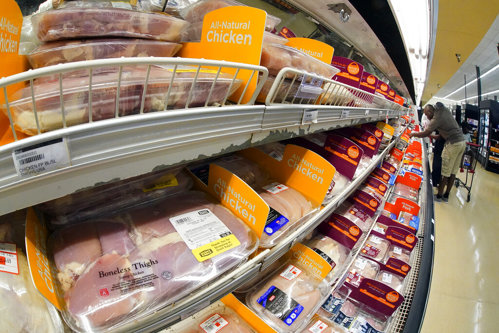
The high cost of fuel has contributed to rising inflation — projected to peak around 4.5% this summer — and increased costs for food and shipping, as diesel prices have jumped to over $5.31 per gallon.
Lower-income Americans have been hit hardest, with many spending a much larger portion of their budget on fuel. Consequently, they are driving less, carpooling, or canceling non-essential trips.
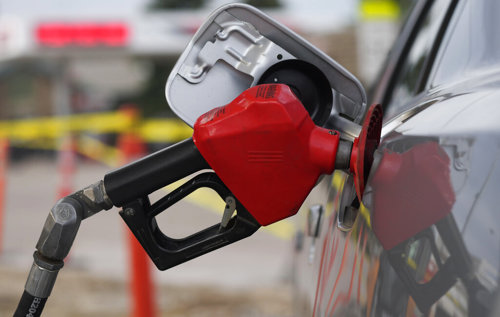 About 58% of drivers report that high gas prices impact their ability to afford other everyday expenses, leading to cuts in spending on groceries, dining out, and entertainment.
“We’ve been over five years without inflation at 2%, which is their target rate. I think there are broader problems that have built up over decades, the consequences of spending, the consequences of money creation, the consequences of a variety of things,” Bishop said.
The University of Michigan Consumer Sentiment Index rose to 48.9% in early June, a 9% increase from May’s all-time low of 44.8%.
The first improvement in four months was driven largely by falling gas prices.
However, sentiment is still running 19% lower than a year ago and 13% lower than in January before the war with Iran began.
 In an X post reacting to the Iran deal, The First host Jesse Kelly said the Trump administration now has four months — before the midterm elections — to convince the public prices are falling.
"Let’s set the foreign adventuring aside for a few and focus on the grocery store," Kelly, who publicly opposed the attack on Iran, urged.
“If there’s a restored normality that allows for a normalization of gas prices that would go a long, long way to getting Americans feeling better about the economy,” Bishop similarly said.
Lower prices may be felt immediately, but getting prices back to the $2-$2.50 range such as they were before the war could be another story.
A safe Strait will help fuel prices
Various factors come into play, Bishop said, such as whether damage from the bombings was done to oil production infrastructure around the Strait of Hormuz and how quickly production can resume then accelerate.
“I think there's a real question on how much damage has been done to the broader infrastructure in the area beyond just simply the restrictions on shipping in the Strait,” Bishop said.
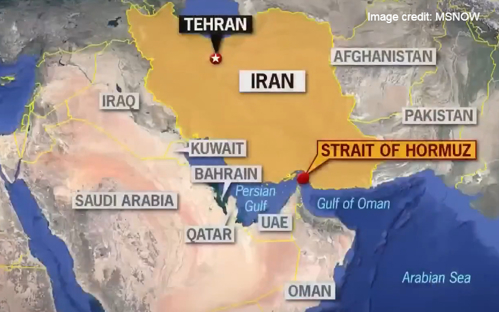 Reports in March estimated Iran had laid about a dozen mines in the Strait.
Reuters reported Monday that ensuring safe passage for ships could take weeks, and operations by conventional minesweepers and new high-tech underwater drones could continue another 50 days before safety confidence increases for many insurance, shipping or oil companies.
The quicker the better for Republicans who would love to restore economic confidence before the midterm elections. Lower gas prices would be a big start.
“I would be very surprised if we get to pre-war lows in gas prices before November, but if we're halfway there, that would go a long way,” Bishop said.