



OPEC was formed in Baghdad in 1960. What started with a few countries now has 12 members, counting the UAE. These members hold more than 80% of the world's proven oil reserves.
Larry Behrens of Power the Future called it a fantastic announcement.

"I think it shows that the cartel that is OPEC — and yes, that's the right word for it, a cartel — that has been running energy for decades around the world — is now starting to lose its grip on that prospect in this industry," states Behrens.
Even the Associated Press referred to OPEC as a cartel this week.
"The reason they're losing their grip on the industry is because American energy production is through the roof. American exports is through the roof," says Behrens. "They're starting to realize that if they stay in this cartel type mindset, they are going to lose, and it's only going to be a win for consumers, and it's definitely a win for the free market."
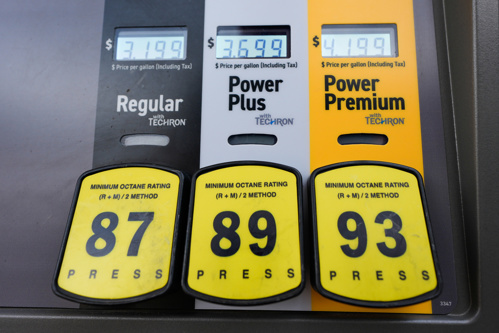
The UAE's exit from OPEC comes at a time when the national average for a gallon of regular gasoline is a dollar more than it was at this time last year.
AFN asked Behrens how soon this might impact prices at the pump?
"It's going to have a long-term effect," says Behrens. "This is going to be something that we're probably talking about a year from now, two years from now."
When the UAE takes their millions of barrels a day and puts them on the free market instead of being restricted by OPEC, Behrens said that's going to increase supply for the U.S., and that will have a long-term positive effect on prices. But for immediate help, it's not going to have a huge impact because they're still trying to work through the Strait of Hormuz right now.
"Until that is resolved, then it is going to be much more difficult to see impact on prices. With that said, there are countries on the planet that are going through much more drastic energy problems because of what is going on with the Strait of Hormuz," states Behrens.
When UAE exits OPEC, the remaining members will be Algeria, Republic of the Congo, Equatorial Guinea, Gabon, Iran, Iraq, Kuwait, Libya, Nigeria, Saudi Arabia and Venezuela.
As for another country following the UAE's move, Behrens said it’s a situation where they will watch what happens with the UAE.
"They're going to look at three, four months from now. They're going to look at what it looks like when the Strait of Hormuz is much more reliable, and then I think they could see a chance where they're like, 'Hey, if UAE is doing well, what are we doing here being beholden to a cartel who is demanding that we either increase or decrease production based upon the international market need versus our national needs?'" states Behrens. “And so, it definitely could lead to that."
If it proves beneficial for UAE, Behrens said that country will "definitely" not be the last to leave OPEC.