



According to the American Farm Bureau Federation, rising input costs for farmers, tied to the conflict in the Middle East, are adding strain to an already challenging farm economy as spring planting continues.
Since the escalation of tensions in the Middle East, nitrogen fertilizer prices have risen more than 30%, while combined fuel and fertilizer costs have increased roughly 20% to 40%. Some farmers pre-booked their fertilizer or least some of it, but most had some or all to purchase after the price increases.
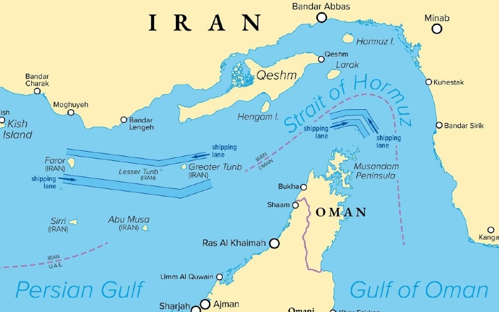
Currently, even with the ceasefire, it is unclear when fertilizer vessels will move as oil shipments take priority, according to RFD-TV News.
In March, a bill was introduced in Congress titled “Fertilizer Transparency Act,” which aims to give farmers accurate market data on time by requiring the U.S. Department of Agriculture to publish of weekly fertilizer price reports.
Steven Martin, professor of agricultural economics at Mississippi State Extension, says fuel costs are a big factor in fertilizer prices.
"Primarily you use natural gas to make ammonia-based fertilizer — urea, ammonia, nitrate. So, when you have fuel going up of any kind, petroleum, fuel or whatever, it raises all costs,” Martin states. “That's a big portion of it."

He says in the case of Mississippi, margins were already tight, so farmers switched corn plantings to soybean plantings due to the decreased fertilizer requirements of soybeans.
"With these current prices, it's going to be hard to break even, unless something shifts. You could kind of pencil in a little, just barely, in the black on soybeans and corn, and even soybeans don't use a lot of fertilizer,” Martin says. “They do use some, of course, then there's fuel to run tractors, combines, irrigation wells, if you have to. It's going to be close to break-even year at best."
Martin also says that this is about the fourth year of tough economic times for many farmers. Costs were already rising, he says, and then the increase in fuel prices came on top of that.