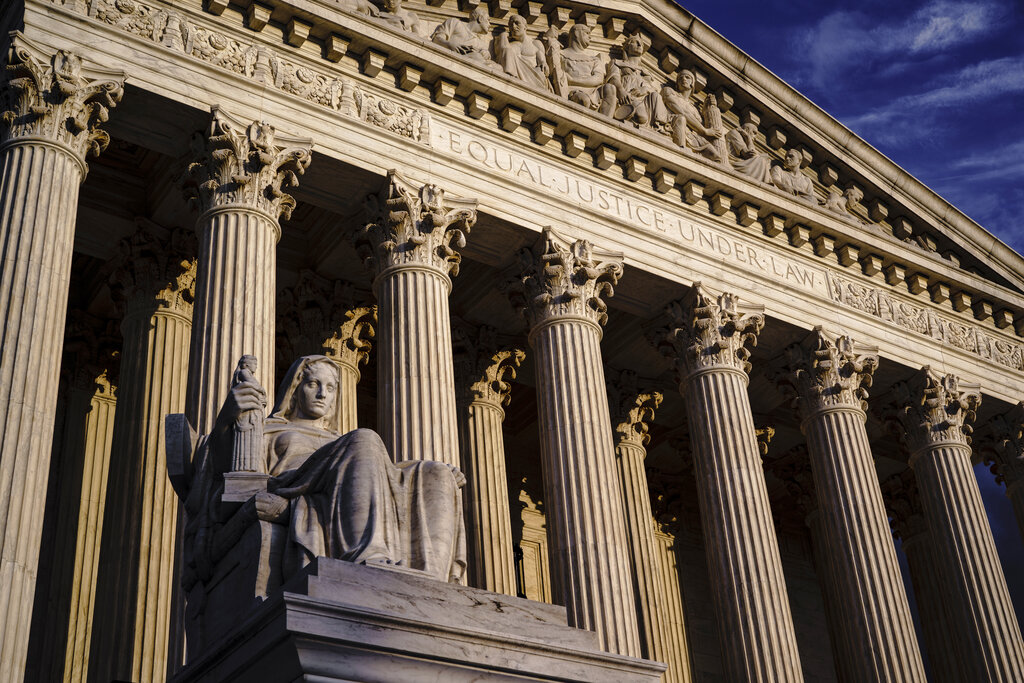


The Wednesday case stems from an executive order Trump signed on the first day of his second term ending what’s known as birthright citizenship, which guarantees citizenship to nearly everyone born on U.S. soil.
While the concept has been part of U.S. law for well over a century, it is relatively rare around the world.
Most countries follow the principle of jus sanguinis, or “right of blood,” with a child’s citizenship based on the citizenship of their parents, no matter where they are born.
None of the 27 member states of the European Union, for example, grant automatic, unconditional citizenship to children born on their territories to foreign citizens. The situation is similar across much of Asia, the Middle East and Africa.
Some countries use a combination of principles, such as parenthood, residency and ethnicity, to decide a child's citizenship.
Australia, for example, allowed birthright citizenship until 1986. But starting that August, children born there could only become citizens if at least one parent was an Australian citizen or a permanent resident.
What is the Trump administration’s argument?
Trump's order would upend the long-standing view that the Constitution’s 14th Amendment, ratified in 1868, and federal law since 1940 confer citizenship on everyone born on American soil, with narrow exceptions for the children of foreign diplomats and those born to a foreign occupying force.
The 14th Amendment was intended to ensure that black people, including former slaves, had citizenship, though the Citizenship Clause is written more broadly. “All persons born or naturalized in the United States, and subject to the jurisdiction thereof, are citizens of the United States and of the State wherein they reside,” it reads.
In a series of decisions, lower courts have struck down the executive order as illegal, or likely so, under the Constitution and federal law. The decisions have invoked the high court's 1898 ruling in Wong Kim Ark, which held that the U.S.-born child of Chinese nationals was a citizen.
The Trump administration argues that the common view of citizenship is wrong, asserting that children of noncitizens are not “subject to the jurisdiction” of the United States and therefore are not entitled to citizenship.
The court should use the case to set straight “long-enduring misconceptions about the Constitution’s meaning,” Solicitor General D. John Sauer wrote.