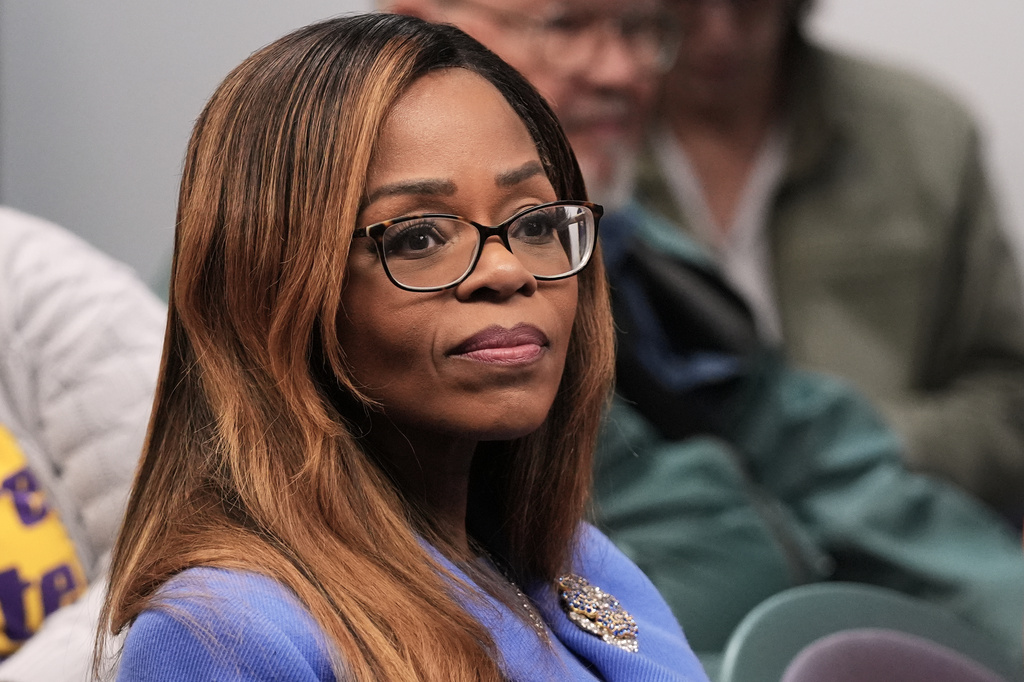


The decision by U.S. District Judge Loretta Biggs is a huge legal victory for Republican legislative leaders who passed the law in late 2018 — weeks after voters approved a constitutional amendment backing the idea.
North Carolina state Senate leader Phil Berger said in a news release that with Biggs' decision, “we can put to rest any doubt that our state’s Voter I.D. law is constitutional.”
Biggs had presided in a 2024 non-jury trial in a lawsuit filed by the state NAACP and local chapters, which argued that the ID requirement violated the U.S. Constitution and the federal Voting Rights Act. At trial, the NAACP alleged Republican legislators passed the voter ID law to entrench their political power by discouraging people historically aligned with Democrats from voting.
But lawyers for Republican lawmakers helping defend the law with state attorneys argued that Republicans wouldn’t have passed one of the most permissive voter ID laws among states that have them if they wanted to entrench themselves in state politics. They argued that the law is race-neutral and contains many more categories of qualifying ID than was allowed under a previously approved 2013 voter ID law that was struck down years ago.
The lawyers also said the General Assembly had legitimate state interests in building voter confidence in elections and preventing voter fraud.
North Carolina law offers free ID cards for voting at county election offices statewide and at the Division of Motor Vehicles. People lacking photo ID for the polls should have their votes count if they fill out an exception form or bring in their ID to election officials before the final tallies.
In the separate state court lawsuit, the 2018 law was struck down initially. But when the state Supreme Court flipped from a Democratic to a Republican majority, the justices agreed to revisit the matter and proceeded to uphold the law.
Thirty-six states have laws requesting or requiring identification at the polls, 23 of which seek photo ID, according to the National Conference of State Legislatures.